What Is a Down Comforter Made Of?
A down comforter is made of down clusters and sometimes feathers, held inside a fabric shell with baffles or box stitching. The fill, shell, and construction decide warmth, weight, and loft, so label terms matter as much as the word down.
On this page (9 sections)
- What is a down comforter made of inside?
- What are down clusters and how do they work?
- What is the difference between down and feathers?
- What fabric is used for the shell?
- How does construction keep the fill in place?
- What label terms should you read carefully?
- How do you choose the right fill for your sleep?
- What makes a comforter feel warm without feeling heavy?
- Which down comforter should you buy first?
A down comforter is made of down clusters and sometimes feathers, held inside a fabric shell with baffles or box stitching. The fill, shell, and construction decide warmth, weight, and loft, so label terms matter as much as the word down.
You will see that mix on most labels in a few short phrases. Fill type tells you what is inside, fill power tells you how puffy it is, and shell fabric tells you how it feels and how well it holds the fill in place.
What is a down comforter made of inside?
Inside, a down comforter is made of down clusters, and sometimes feathers mixed with down. Down clusters are the soft, fluffy under feathers that help a bird stay warm, and they form small three-dimensional puffs.
Each cluster traps air, and that trapped air is the main reason down feels light for its warmth. A cluster with more volume per ounce usually creates a thicker, softer layer with less total fill.
Feathers are flatter and stiffer, with a quill in the center. They add support and reduce cost, but they also add weight and can poke through a thin shell.
Many makers blend down and feathers to balance price, warmth, and structure. The ratio and fill power shape how the blend performs, so a blend is not automatically bad.
What are down clusters and how do they work?
Down clusters are soft, round puffs without a stiff quill. They compress, spring back, and trap air in many small pockets at once.
That spring-back action matters each night. When you lie on the comforter, the clusters push back and restore loft when you get up.
Larger, more mature clusters tend to be fluffier and more durable. Smaller clusters may feel softer at first but can pack down faster with repeated use.
Fill power hints at cluster size and quality. Higher fill power usually means larger clusters from less weight, but a weak shell can still leak fill.
Washing can also change loft if clusters are not dried fully. Our guide to how to wash down comforter steps cover drying in detail.
What is the difference between down and feathers?
Down and feathers differ in shape, weight, loft, and feel. Down is puffy and soft, while feathers are flat, stiff, and heavier for the same volume.
A down fill can create a thick layer with relatively little weight. A feather fill needs more weight to reach similar thickness, and the feel often seems firmer.
Down also tends to drape more smoothly over your body. Feathers can add a crisp, supportive feel that some sleepers prefer under heavier blankets.
Price usually follows those traits. More down with higher fill power costs more, while feather-heavy fills cost less.
Comfort is personal here, since warmth depends on the full build. Our down vs down alternative comforter comparison helps if you are weighing real down against synthetic fill.
What does down blend mean on a label?
A down blend means down mixed with feathers or another fill. The label should state the percentage of down, but not every label makes that split easy to find.
Check the fill content statement, not the product name. A name that says down can still describe a blend with a modest share of down.
Fill power is listed separately from the blend. You need both numbers to judge whether the comforter will be light, warm, and durable.
What does fill power tell you?
Fill power tells you how much volume one ounce of fill creates. Higher fill power means more loft from less fill weight.
A comforter with 700 fill power down can feel thick without feeling heavy. A lower fill power needs more ounces to reach the same loft.
Fill power does not measure warmth by itself. Total fill weight, shell fabric, and construction also shape how warm the finished comforter feels.
What fabric is used for the shell?
The shell is usually woven cotton, cotton blend, or a down-proof synthetic fabric. Its weave and finish control softness, breathability, and how well it holds the fill.
A tight weave helps keep clusters inside, while a brushed surface feels softer than a crisp one. Shell weight also adds to total weight, so a light shell keeps the piece feeling airy.
Some shells use a down-proof coating to block small clusters from working through. Corner ties help hold a duvet cover in place so the comforter does not bunch at night.
Our comforter vs duvet insert guide explains how shell, cover, and insert roles differ in daily use.
How does construction keep the fill in place?
Construction keeps fill in place with baffles, box stitching, or channel stitching. Those sewn compartments stop down from sliding into one area overnight.
Baffles join two shell layers in deep pockets and allow more loft than flat stitching. Box stitching creates square pockets that help distribute fill, while channel stitching forms long rows that may shift more over time.
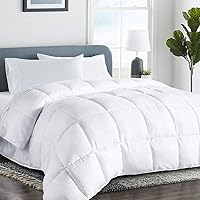
Even distribution matters for warmth, since cold spots often mean fill has moved. The COHOME All-Season King Size Cooling Comforter Duvet uses box stitching, corner tabs, and a brushed polyester cover.
As a down alternative, it shows how synthetic fill uses similar compartments to stay spread out.
What label terms should you read carefully?
Read the fill content, fill power, shell fabric, and care label first. Those four items tell you more than the product name or a photo of a thick comforter.
Down percentage shows how much of the fill is down. Feather percentage shows how much is feather, and any synthetic share should be named as well.
Fill power shows loft per ounce. Weight shows how much fill is in the whole comforter, which helps you compare two similar sizes.
Shell fiber and weave show feel and containment. Cotton, polyester, and blends each handle washing and breathability in different ways.
Country of origin can matter for sourcing and price. Our guide to best down comforter made in usa shows what buyers often check when origin is a priority.
What does white goose down mean?
White goose down means down clusters that are white in color. Color is a grade cue, but it does not by itself prove fill power, cleanliness, or durability.
Goose down tends to have larger clusters than duck down, which can mean higher loft. Duck down can still perform well at a given fill power.
White down is often chosen because it shows less through a light shell. That is a practical benefit for light-colored bedding.
What does cluster loft mean?
Cluster loft means how high the down puffs stand when free to expand. It relates to fill power, cluster maturity, and how well the fill has been cleaned and stored.
Higher loft usually feels softer and lighter. Lower loft can still be warm if there is more total fill weight.
Loft also drops when fill is compressed for shipping. Most down needs time and air to recover, and a full drying cycle helps after washing.
How do you choose the right fill for your sleep?
Choose fill by warmth, weight, feel, care, and budget. Sleepers who get hot may want less fill or a lighter shell, while cold sleepers may want more loft.
Real down suits readers who want high loft with low weight. It needs careful washing and full drying, and it can lose loft if it stays damp.
Down alternative suits readers who want easier care and lower cost. Synthetic fill can be machine washed more easily, and it still lofts when it is dry.
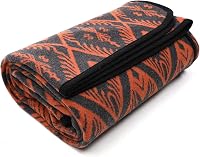
Wool is a different natural option that regulates temperature and keeps insulating when damp. The PuTian Merino Wool Blanket is 87 by 63 inches and weighs 4 pounds, with a blend of 30% merino wool, 40% polyester, 16% acrylic, 7% cotton, and 7% nylon.
The Arcturus Military Wool Blanket is a twin size at 64 by 88 inches and 4.5 pounds. It uses 80% wool and 20% synthetic fibers, with hemmed edges and a denser loom-woven build for camping, couch use, or layering.
What makes a comforter feel warm without feeling heavy?
Warmth without heaviness comes from high loft, good air trapping, and even fill distribution. The fill creates thickness, the shell holds its shape, and stitching keeps it spread.
Lightweight synthetic fills can also feel warm for the weight. The COHOME king insert is 102 by 90 inches, weighs 7.9 pounds, and uses polyester fill with 300 GSM of plush down-alternative fill.
That size and weight show why dimensions matter for feel. Brushed polyester feels soft and quiet, while cotton feels crisp and familiar.
Layering gives you control on cold nights. A lighter comforter plus a wool throw is easier to adjust than one very heavy comforter all year.
For colder rooms, our best fleece blankets for winter guide covers another layer option. For a full shopping overview, start with our comforter buying guide.
Which down comforter should you buy first?
Buy based on fill power, fill weight, shell, and size, not on softness in a photo. Those specs predict warmth and weight more reliably than marketing words.
For real down, compare best goose down comforters by fill power and total fill weight. Higher fill power usually means a lighter feel at the same warmth.
For down alternative, check box stitching, wash care, and whether corner ties will hold your duvet cover. A king size piece needs enough width to cover two sleepers without pulling.
For summer or hot sleepers, consider a best cooling weighted blanket for adults only if you want weight. If you want light warmth, a lower fill weight down or synthetic comforter is usually a better fit.
So, what is a down comforter made of, in short? Down clusters, sometimes feathers, a woven shell, and sewn compartments that hold the fill spread out.
Read the blend, fill power, and stitching, and you can judge warmth before you buy.
Frequently asked questions
Is down better than feathers?
Down is usually softer, lighter, and loftier for the same weight, while feathers add structure and cost less. Many comforters blend both, so check the fill mix and fill power rather than the word down alone.
What does fill power mean on a down comforter?
Fill power measures how much volume one ounce of fill takes up, so higher numbers usually mean a lighter, loftier comforter. It is not the same as weight, and shell fabric and construction also affect warmth.
Can a down comforter be machine washed?
Many can, but care depends on the shell and fill. Check the care label first, use a large machine, and dry thoroughly on low heat so clusters separate and loft returns.