How to Wash a Weighted Blanket
To wash a weighted blanket, check the care label first, then choose machine wash, hand wash, or spot clean based on the filling and cover. Use a gentle cycle, keep the load balanced, and dry according to the label so the weight stays evenly spread.
On this page (9 sections)
- Can you put a weighted blanket in the washing machine?
- How does filling change the way you wash a weighted blanket?
- How does the cover affect washing and drying?
- What size washer do you need for a weighted blanket?
- How do you hand wash a weighted blanket at home?
- How do you dry a weighted blanket without ruining it?
- How often should you wash a weighted blanket?
- What mistakes should you avoid when you wash a weighted blanket?
- Which washing method should you choose for your weighted blanket?
To wash a weighted blanket, check the care label first, then machine wash, hand wash, or spot clean based on the filling and cover. The choice depends on the fill, whether the cover is removable, and whether your washer has room for a heavy blanket.
A weighted blanket carries concentrated weight in its filling. That weight can pull, clump, or press against one side of a washer.
Our comforter guide helps compare a weighted blanket with a regular comforter for year-round use.
The label gives the water temperature, cycle, and drying method. If it is missing, treat the blanket as delicate until you know its fill and fabric.
Can you put a weighted blanket in the washing machine?
Yes, but only if the care label allows it and your washer can handle the weight. A large front-load machine usually gives more room than a small top-load machine with a center post.
Check the blanket weight against your washer limit. Fill about two-thirds of the drum at most, and add large towels to balance the load.
If the blanket cannot tumble freely, it will not clean well and can strain seams or the motor.
Use a gentle cycle and mild detergent at the labeled water temperature. Skip bleach and fabric softener unless the label allows them.
If your machine is small, hand wash in a bathtub instead. For a best weighted blanket for adults, a full-size blanket can fill a home washer alone, so a laundromat machine is often the practical choice.
How does filling change the way you wash a weighted blanket?
Glass beads, plastic pellets, and fiber fills each need different handling. The fill determines water weight, drying time, and whether heat is safe.
Glass bead blankets add heavy water weight when wet. Lift them with care, and do not twist or wring them, since that can stress seams and shift pockets.
Plastic pellet fills can clump if left bunched. Shake the blanket out during drying and check each section.
If pellets collect in one corner, work them back across the fabric by hand while damp.
Fiber-filled blankets are usually lighter and machine wash more easily. They still need a gentle cycle and low heat to keep fill from matting.
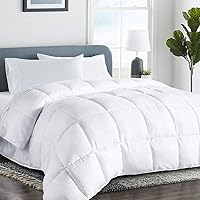
The COHOME comforter below is a regular comforter, not a weighted blanket, and shows the contrast.
It has polyester fill and a soft polyester cover, and the brand says machine wash and tumble dry low. At 7.9 pounds, it is far easier to wash than a bead-filled weighted blanket.
Its box stitching and corner tabs help keep fill in place and hold a duvet cover.
Wool weighted blankets need extra care. Wool can shrink or felt with heat and agitation, so hand washing or a gentle cold cycle is often safer.
How does the cover affect washing and drying?
A removable cover makes washing easier because you clean the part that touches your skin most often. The inner blanket can then be spot cleaned or washed less often.
If your blanket has a zipper, remove the cover before washing and wash it alone on gentle. Use a zippered laundry bag if the fabric is delicate.
If the cover is fixed, spot clean stains with mild detergent and blot with clean water. For a full wash, follow the label and keep the cycle gentle.
Cotton covers feel breathable and wash well. A best cotton weighted blanket often has a cover you can wash on its own, and blends may dry faster.
Heated weighted blankets need a different rule. Do not machine wash a blanket with a heating element, cord, or controls.
Remove and wash only the cover if allowed, and keep the heated part dry. Our guide to the best heated weighted blanket can help you spot heated models.
For kids, a removable cover lets you clean spills quickly without handling the full fill. See our best weighted blanket for kids guide for size and weight pointers.
What size washer do you need for a weighted blanket?
Your washer should let the blanket tumble loosely, not sit in a tight ball. If the drum looks more than two-thirds full before water, the blanket is too big for that machine.
A 15 pound weighted blanket becomes much heavier when wet. Stop the wash if you hear loud thumping or see the blanket clinging to one side.
Front-load machines usually handle bulky items well because the drum is wide and low. Top-load machines can work, but a center post takes space and can snag seams.
Spread the blanket around the post and add towels to balance it.
A laundromat machine suits a king-size weighted blanket or any blanket over about 20 pounds. Its larger drum gives the fill room to move.
Bring mild detergent and a large bag for transport.
How do you hand wash a weighted blanket at home?
Hand washing works well for weighted blankets that are too heavy for your machine. A bathtub gives room to spread the blanket out.
Fill the tub with cool or lukewarm water and a small amount of mild detergent. Lay the blanket flat, press it down until fully wet, and let it soak for 10 to 15 minutes.
Drain the tub and press the blanket against the side to push out dirty water. Refill with clean water and repeat until the rinse looks clear.
Avoid twisting, since water weight can pull at seams.
For a final rinse, lay the blanket flat and let clean water run over it. Press gently with your hands or a towel to remove more water.
Lift it out in sections if it is very heavy.
Spot cleaning is enough for small spills. Blot up liquid, apply diluted detergent, and blot again with a clean damp cloth.
How do you dry a weighted blanket without ruining it?
Dry a weighted blanket according to its label, and keep the weight spread evenly while it dries. Low heat is safer than high heat for most fills and covers.
If tumble drying is allowed, use low and check every 10 to 15 minutes. Shake it out and spread it flat briefly to help fill settle back into pockets.
If the label says air dry only, lay the blanket flat or hang it over a sturdy rack. Support a heavy blanket in more than one place, and turn it halfway through.
Do not leave a weighted blanket in the dryer for a full cycle and forget it. Heat plus weight can press fill into one area.
A partly damp blanket can finish on a flat surface.
Wool covers and fills need cool drying. The PuTian Merino Wool Blanket is 87 by 63 inches and 4 pounds, with 30% merino wool, 40% polyester, 16% acrylic, 7% cotton, and 7% nylon.
The brand says machine wash cold and tumble dry low.
That throw is lighter than a weighted blanket, but wool care still matters. Cold water and low heat help protect wool from shrinking and losing softness.
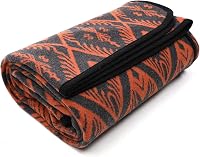
The Arcturus Military Wool Blanket is 64 by 88 inches and 4.5 pounds. It is 80% wool and 20% synthetic, and the brand says machine wash cold on delicate, then tumble dry low or hang to dry.
Its wool blend still calls for cold water and low heat. The lesson carries over: check the fiber first, even when the blanket is not heavy.
How often should you wash a weighted blanket?
Wash the cover every few weeks in regular use, and wash or spot clean the full blanket as needed. Sweat, body oil, and skin cells build up on the surface you touch each night.
A blanket used nightly without a cover may need a full wash every 2 to 4 weeks. With a removable cover, wash that cover more often and spot clean or wash the inner blanket monthly.
Wash sooner after illness, a spill, pet contact, or a hot spell. Kids blankets may need weekly cover washing.
Shared blankets need washing more often than blankets used by one person.
Do not wait for a bad smell before washing. Odor means oils and moisture have built up.
Store the blanket in a breathable cotton bag, not plastic, to avoid musty odors.
What mistakes should you avoid when you wash a weighted blanket?
The biggest mistakes are hot water, an overloaded washer, and drying in one bunched heap. Each can damage fill, cover, or weight distribution.
Do not use bleach unless the label allows it. Bleach can weaken fibers and change color, so mild detergent is safer.
Do not force a large blanket into a small washer. A tight load will not clean well and may stop or shake, so hand wash it or use a larger machine instead.
Do not wring a wet weighted blanket or use high heat to speed drying. High heat can melt synthetic fill, shrink wool, or damage a heated element.
Wash other blankets separately so each fabric gets the right temperature. See best fleece blankets for winter and best wool blankets for winter picks for warmer options.
If your blanket has an electric component, do not wash it in water at all. Our guide on how to use sunbeam electric blanket covers heated blanket care.
Which washing method should you choose for your weighted blanket?
Pick the method that matches the label, the fill, and your washer size. Machine wash only when all three allow it, hand wash when heavy or delicate, and spot clean for small spills.
Shake, spread, and check each section while the blanket is still damp. That is when fill moves back into place most easily.
Lay the blanket flat and run your hands over each pocket or channel. If you feel a thin spot, push fill from a thick spot into it.
If the blanket has internal compartments, hang it briefly by the corners, then lay it flat. Do not hang a very heavy blanket for long periods, since weight can stretch fabric.
Store the blanket folded in thirds or rolled loosely in a breathable bag. Check seams after each wash and stop using the blanket if a seam opens, since loose fill can spread through the washer.
If the cover is removable, wash it often and treat the inner blanket more gently. For a lighter washable layer, a regular comforter may be easier.
The COHOME comforter at 7.9 pounds, the PuTian throw at 4 pounds, and the Arcturus blanket at 4.5 pounds all weigh far less than a typical weighted blanket.
Frequently asked questions
Can I put a weighted blanket in the washing machine?
Only if the care label allows machine washing and your washer can handle the weight and bulk. Use a gentle cycle with cold or lukewarm water, add towels to balance the load, and stop if the blanket will not tumble freely.
When in doubt, hand wash or spot clean instead.
How often should I wash a weighted blanket?
Spot clean spills as they happen and wash the cover or the whole blanket every few weeks in regular use, or sooner after illness, sweat, or pet contact. More frequent washing is needed for kids, hot sleepers, and blankets used without a removable cover.
Always follow the care label for temperature limits.
Why does my weighted blanket feel uneven after washing?
Weight can shift when a blanket is washed and dried while bunched in one part of the drum. Shake it out every few minutes during drying, lay it flat to finish, and check the pockets or compartments.
A removable cover helps because you can wash it often without moving the fill each time.
Can I tumble dry a weighted blanket?
Some blankets allow low tumble drying, while others need air drying to protect seams, filling, or a heated element. Check the label before you start, use low heat if allowed, and remove the blanket while it is still slightly damp.
Lay it flat or hang it evenly so the weight does not pull on one side.