How to Wash a Down Comforter
Yes, you can wash a down comforter at home: use a large front-load machine, liquid detergent, a gentle cycle, and a long low-heat dry until the fill feels dry and fluffy. Check the care label first, because some down comforters are dry-clean only.
On this page (9 sections)
- How to wash down comforter at home without losing loft
- Can you wash a down comforter in a home machine?
- What should you check before you start washing?
- How do you dry a down comforter so it stays fluffy?
- Should you use a laundromat or a professional cleaner?
- How often should you wash a down comforter?
- What mistakes make down go flat after washing?
- When should you replace a down comforter instead of washing it?
- How to wash down comforter: final checklist
Yes, you can wash a down comforter at home: use a large front-load machine, liquid detergent, a gentle cycle, and a long low-heat dry until the fill feels dry and fluffy. Check the care label first, because some down comforters are dry-clean only.
How to wash down comforter at home without losing loft
Wash gently, rinse thoroughly, and dry completely. Down loses loft when soap stays in the clusters or damp centers sit too long.
Read the care tag first and follow it, whether it allows machine washing or says dry clean only. Shake the comforter outside and check seams and thin spots, since a small repair now stops fill escaping in the wash.
Use a duvet cover for everyday use to wash less often. Our guide to a what is a duvet cover set explains how the cover protects the insert.
Can you wash a down comforter in a home machine?
Yes, if your machine is large enough and the label allows it. A large front-load washer works best because the comforter can move and rinse freely.
A top-load machine with an agitator can twist the baffles and push down into clumps. A king comforter needs more space than a twin, so use a laundromat machine if your drum is packed.
What should you check before you start washing?
Check the care label, seams, shell, and any stains before the comforter goes in. This five minute check prevents most washing problems.
Read the label for water temperature, cycle type, and drying limits. Close loose threads or torn corners with a few stitches, since down can escape through small openings.
Zip or button closures, then treat small spots with mild liquid detergent and a soft cloth. Our guide on what is a down comforter made of explains why clusters need room to expand.
How to wash down comforter: step by step
Use liquid detergent, warm water within the label limit, and extra rinses. Too much detergent is a common cause of flat down after washing.
- Shake the comforter outdoors and inspect seams.
- Add half the detergent a normal load needs.
- Run a gentle or permanent press cycle.
- Add an extra rinse to remove soap.
- Move the comforter to the dryer right away.
Don't add fabric softener. It coats down clusters and makes them hold less air.
Which detergent works best for down?
Use a liquid detergent made for down or a mild liquid detergent without softener. Powder detergent can leave residue that is harder to rinse from clusters.
Half a normal dose is usually enough. Down does not need strong scent or extra suds to get clean.
How do you dry a down comforter so it stays fluffy?
Dry on low heat for a long time and check the baffle centers before you stop. Most loft loss happens in the dryer.
Move the comforter to the dryer right away, since damp down left in a pile can smell musty and clump. Dryer balls help break up clumps as it tumbles.
Use low heat for two to three hours, longer for a king size. Stop every 30 to 40 minutes, shake the comforter, and break up damp clumps by hand.
It is dry when each baffle feels light and dry in the center. If a center feels cool or heavy, keep drying.
How to wash down comforter and dry it in winter
Winter washing takes more dryer time because cold air holds less moisture. The same low-heat process works, but you should check more often.
Shake the comforter before it goes in the dryer. This spreads the fill and helps water escape.
Add dryer balls to keep the baffles separated.
If your dryer has a moisture sensor, don't rely on it alone. Open the door and feel the center of several baffles.
Should you use a laundromat or a professional cleaner?
Use a laundromat for king sizes and a professional cleaner for delicate or expensive down. Both choices can save time and protect the fill.
A laundromat machine has room for the comforter to move, rinse, and tumble. Bring detergent made for down or use a mild liquid detergent.
Ask a wash-and-fold service if they use low heat and check for damp centers. Professional cleaning is worth it for heirloom down, silk shells, or labels that say dry clean only.
Our comforter buying guide can help you decide if a replacement is due.
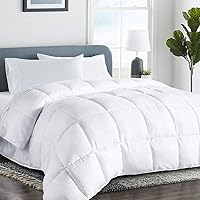
Who should choose the COHOME king comforter?
Choose the COHOME All-Season King Size Cooling Comforter Duvet if you want a king size comforter you can machine wash and tumble dry on low heat. It suits a reader who wants an easy-care option for a guest room.
The COHOME has box stitching to help keep fill in place. It measures 102 inches by 90 inches and weighs 7.9 pounds.
The maker says it can be machine washed and tumble dried on low heat.
It works as a duvet insert or a stand-alone comforter. Corner tabs help hold it in a duvet cover.
Skip it if you want real down fill. This comforter uses polyester fill, so it gives a down-like feel with different care needs.
Read our down vs down alternative comforter guide before you choose.
How often should you wash a down comforter?
Wash it every few months with regular use, or sooner after spills and illness. A cover reduces soil, but body oil and dust still build up over time.
Wash before storage if it has been used all season, since clean down stores better. Make sure it is fully dry before you pack it away.
If it smells musty after storage, air it outside and dry it on low heat. Check the shell each time you wash for thin spots or loose seams.
Our best goose down comforters guide lists options to compare fill and shell quality.
What mistakes make down go flat after washing?
Too much detergent, too little rinsing, and incomplete drying cause most flat spots. Each mistake leaves clusters coated or damp.
Regular detergent and softener leave residue on down. That residue makes clusters stick together and trap less air.
Use less soap and add extra rinses.
A short dry leaves water in baffle centers. Those damp spots dry into clumps that feel hard.
Break clumps by hand during drying and keep going until the centers feel dry.
Overloading the washer also hurts. The comforter needs room to move so water can enter and leave each baffle.
How to wash down comforter without added scent
Skip softener and scented boosters if you want the best loft. Down holds air best when clusters stay clean and free of coating.
A mild liquid detergent and extra rinses give a clean result. The comforter will smell fresh from proper drying, not from added scent.
When should you replace a down comforter instead of washing it?
Replace it when the shell is thin, seams fail, or fill keeps escaping after repair. Washing cannot fix worn fabric or lost fill.
Look for bald baffles that no longer puff after drying, since whole flat sections may mean fill is gone or badly clumped. A repair can fix a small spot, but widespread loss needs a new comforter.
Check the shell in bright light, since thin fabric can become see-through and let down push through. If you sleep hot, our best lightweight down comforter king guide compares king sizes, and check what size is a king comforter before you buy.
Who should choose the PuTian merino wool blanket?
Choose the PuTian Merino Wool Blanket if you want a washable throw blanket for the couch, bed, or camping. It suits a reader who wants a layer to add warmth while a comforter is in the wash.
The PuTian measures 87 inches by 63 inches and weighs 4 pounds. The blend includes 30% merino wool with polyester, acrylic, cotton, and nylon.
It is made for multi use at home and outdoors.
The maker says it can be machine washed in cold water and tumble dried low. Its size gives broad coverage without the weight of a full comforter.
Skip it if you need a king size bed cover for the whole bed. A throw covers part of the bed by design.
Pair it with a comforter rather than using it as the main cover.
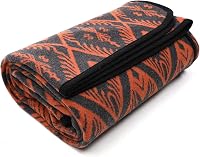
Who should choose the Arcturus military wool blanket?
Choose the Arcturus Military Wool Blanket if you want a thick, washable wool blanket for extra warmth at home or outdoors. It suits a reader who wants a durable layer for cold nights.
The Arcturus measures 64 inches by 88 inches and weighs 4.5 pounds. It uses an 80% wool and 20% synthetic blend.
The maker says it can be machine washed cold on a delicate cycle and tumble dried low or hung to dry.
Wool helps regulate temperature and keeps insulating when damp. That trait makes it a useful backup layer in cool weather.
Skip it if you want a light king comforter. This blanket is twin size and fairly heavy.
It is a layer, not a full bed comforter for a large bed.
How to wash down comforter: final checklist
Follow the label, use less liquid detergent, rinse twice, and dry on low until every baffle is dry. That routine protects loft and keeps the fill fresh.
Use a large front-load washer for king sizes. Shake the comforter out, check seams, and treat spots before the wash, then add half a normal dose of liquid detergent and skip softener.
Run a gentle cycle with an extra rinse, then move the comforter to the dryer right away with dryer balls. Dry on low for two to three hours, shake it, break up clumps, and check baffle centers.
If you want a lighter routine, use a cover and wash it more often than the insert. Our rest cooling comforter reviews can help if you prefer a cooling cover for warm nights.
Frequently asked questions
Can I wash a down comforter at home?
Yes, most down comforters can be washed at home if the care label allows it. Use a large front-load washer, a small amount of liquid detergent, and a gentle cycle.
Dry on low heat for a long time so the down clusters dry fully and regain loft.
How long should a down comforter dry?
Plan on two to three hours on low heat, sometimes longer for a king size. Stop, fluff the comforter, and check the center of each baffle for dampness.
It is ready when it feels dry through and light, not cool or heavy in spots.
Can I use regular detergent on down?
Regular detergent can leave residue that coats down and reduces loft. Use a small amount of liquid detergent made for down, or a mild liquid detergent without fabric softener.
Extra rinses help remove soap so the clusters can trap air again.
Why does my down comforter smell after washing?
A musty smell usually means the down did not dry completely. Put it back in the dryer on low heat with dryer balls and check the baffle centers.
If clumps remain, break them up by hand and dry longer before you store it.