What Is a Mattress Topper Made Of?
A mattress topper is usually made of memory foam, latex, fiberfill, wool, cotton, or a blend of these materials. The fill, cover, thickness, and layer design affect how soft, supportive, breathable, and washable it feels.
On this page (8 sections)
- What materials are mattress toppers made of?
- How do foam mattress toppers differ?
- What are fiberfill mattress toppers made of?
- What is a bamboo mattress topper made of?
- How do covers and layers change a topper?
- Which material suits different sleep needs?
- Are mattress toppers the same as heated pads?
- How do you choose the right mattress topper material?
A mattress topper is usually made of memory foam, latex, fiberfill, wool, cotton, or a synthetic blend. Its comfort comes from more than the main fill: the cover, quilting, thickness, density, and attachment method all change how it feels on your bed.
A topper sits above the mattress and changes the surface feel. Before choosing one, it helps to separate a true topper from a thin pad.
This mattress topper comparison explains how thickness, materials, and construction affect the choice.
What materials are mattress toppers made of?
The main mattress topper materials are foam, latex, fiberfill, wool, cotton, and polyester blends. Each one creates a different balance of pressure relief, softness, airflow, movement, and care.
Memory foam is made from polyurethane foam. It molds around body curves and can make a firm mattress feel softer.
A thicker foam layer usually changes the bed more than a thin quilted pad.
Latex is a resilient foam made from natural or synthetic latex. It tends to feel springier than memory foam and can make it easier to change positions.
Fiberfill toppers use loose or quilted synthetic fibers. Polyester is common because it can create a soft, puffy surface without the slow response of foam.
Wool and cotton can appear in the fill, cover, or both. Cotton often feels familiar and breathable, while wool can add loft and help manage moisture.
Check the full material description because a topper may use a blend rather than one pure fiber.
How do foam mattress toppers differ?
Foam toppers differ mainly by foam type, thickness, firmness, and added materials. These details determine how closely the topper follows your body and how much it changes the original mattress.
For a firmer Twin XL option, see extra firm Twin XL mattress toppers.
Memory foam responds to body heat and weight. A 2 in layer can add noticeable cushioning while keeping more of the original mattress feel than a thicker layer.
Gel memory foam combines polyurethane memory foam with gel material. Linenspa describes its 2 in Queen topper as plush, gel infused, and designed to capture and distribute heat.
It arrives compressed, expands in 24–48 hours, and should be spot cleaned.
This type of topper may suit sleepers who want a closer, more cushioned feel. It may not suit you if you prefer a springy surface or want a topper that can go into a washing machine.
CertiPUR-US explains its foam certification standards on its official foam certification site. Certification can help you check material standards, but it does not tell you whether a particular firmness will feel comfortable.
Does a thicker topper use more material?
Yes, a thicker topper generally contains a deeper comfort layer and changes the mattress feel more. A thin layer can soften the surface, while a thicker one can create a more noticeable cushion around the shoulders and hips.
Thickness also affects sheet fit and bed height. Measure your mattress, topper, and fitted-sheet pocket before buying.
For a dorm bed, compare Twin XL mattress toppers for dorms too.
If you are placing foam on another foam mattress, read Can You Put a Topper on a Memory Foam Mattress? for setup considerations.
What are fiberfill mattress toppers made of?
Fiberfill toppers are made from soft fibers held inside a quilted cover or sewn structure. The fill creates loft and surface cushioning, but it usually does not provide the deep contouring of memory foam.
A quilted polyester pad can make a mattress feel softer without changing its firmness as much as foam. Utopia Bedding's Queen Mattress Pad uses a microfiber mattress pad with quilted fiberfill, an elastic all-around edge, and a fit for mattresses up to 16 in deep.
This construction may suit you if you want a breathable, soft layer that is easier to wash. It is not liquid proof, so use a separate waterproof cover for spill protection.
Machine wash the pad on a cold, gentle cycle and tumble dry with no heat or air dry. Avoid bleach and high heat, which can damage fibers or encourage clumping.
What is a bamboo mattress topper made of?
A bamboo mattress topper usually contains rayon derived from bamboo in the top fabric, often blended with polyester. The word bamboo may describe the fiber source, not a solid bamboo filling.
Niagara Sleep Solution's Queen Ultra Soft Mattress Topper has a top fabric made from 60% polyester and 40% rayon derived from bamboo. Its bottom fabric and skirt are polyester, and its Queen size measures 60 x 80 in.
The topper is designed with a pillow-top style, breathable construction, and sweat-absorbent comfort. It arrives compressed.
Shake and pat it, leave it for 48 hours, or tumble dry it on low heat for 20 minutes before use.
Machine washing can suit households that want easier routine care. It is not water resistant, so it does not replace a waterproof mattress protector.
For a softer surface without a deep foam feel, this style may be a practical fit. For stronger contouring, compare it with memory foam and read which type of mattress topper is best.
How do covers and layers change a topper?
The cover controls the first touch, while the inner fill controls most of the support and pressure response. Quilting can spread the fill across the surface, while a smooth cover may let foam respond more directly.
Some toppers have one main layer. Others combine a cover, fiberfill, foam, and a non-slip or fitted skirt.
A fitted edge can help keep the topper aligned, but it must match the mattress depth.
A cover may also affect care. Foam often requires spot cleaning, while fiberfill and some fabric-based toppers can be machine washed.
Never assume two toppers with the same thickness have the same feel.
If you are comparing a topper with a thinner protective layer, see mattress topper vs mattress pad. A pad usually focuses on surface softness and protection, while a topper is more likely to change cushioning.
Which material suits different sleep needs?
Choose the material by the change you want: foam for contouring, fiberfill for soft loft, and fabric-based designs for a lighter cushion. No material works equally well for every sleeper.
Memory foam may suit you if your mattress feels too firm and you want a closer body-hugging feel. A thicker foam layer can also make the bed feel more separated from the original mattress.
Fiberfill may suit you if you want a plush surface and simple washing. It usually changes the surface more than the deeper support.
A breathable rayon-derived-from-bamboo and polyester topper may suit people who want a soft pillow-top feel with a fitted deep pocket. Check the depth range before use.
For sleepers with ongoing back pain, a topper may change pressure at the surface but cannot diagnose or treat the cause. If pain continues, ask a qualified health professional.
You can also review is a mattress topper good for back pain before choosing thickness.
Are mattress toppers the same as heated pads?
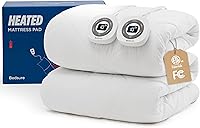
No. A mattress topper changes cushioning, while a heated pad is designed to add warmth.
They solve different problems and should not be treated as interchangeable layers.
A foam or fiber topper has no heating function. If warmth is the main goal, read how to choose a small heated mattress pad and follow the heating product's safety directions.
If heat is your main concern, a thin breathable pad may feel less insulating than dense foam. Our guide to the best cooling mattress toppers for hot sleepers compares cooling-focused choices.
How do you choose the right mattress topper material?
Start with the change you want, then check thickness, mattress depth, care, and protection. A topper that feels right in a showroom description may still be wrong if it does not fit your sheets or cleaning routine.
Choose memory foam for contouring and pressure relief, but allow compressed foam time to expand before use. Choose fiberfill for quilted softness and easier washing.
Choose a fabric blend when you want a plush fitted layer without deep foam response.
Measure the mattress before ordering. Confirm the topper's size and pocket range, then check whether your fitted sheets can cover the added height.
The best material is the one that matches your comfort goal and daily care habits. Choose the Linenspa foam layer for a plush contouring change, the Utopia Bedding pad for quilted surface softness, or the Niagara topper for a soft fitted pillow-top layer with a deep pocket.
Frequently asked questions
What is the most common material in a mattress topper?
Memory foam is one of the most common mattress topper materials because it conforms to your body and changes the feel of an existing mattress. Other common choices include latex, fiberfill, wool, cotton, and polyester blends.
The material matters, but thickness and the cover also affect the final feel.
Are mattress toppers made of the same material as mattresses?
Some toppers use similar materials, such as memory foam, latex, or fiber layers, but they are usually thinner and designed to sit on top of an existing mattress. A topper changes comfort more than support.
It cannot replace a damaged or sagging mattress in every situation.
Is a fiberfill mattress topper washable?
Some fiberfill toppers and mattress pads are machine washable, but care depends on the construction and label. A quilted cover may hold loose fibers in place, while foam usually needs spot cleaning.
Check the care directions before washing, drying, or using bleach.
Which mattress topper material sleeps coolest?
Breathable fiber, wool, and some latex designs may feel cooler than dense foam for some sleepers. Gel-infused memory foam is designed to help capture and distribute heat, but it can still feel warmer than a thin, airy pad.
Room temperature, bedding, and personal preference also matter.