Mattress Topper vs Comforter: Which Do You Need? (November 2026)
Choose a mattress topper for cushioning beneath you and a comforter for warmth above you. You may need both because they solve different sleep problems.
On this page (8 sections)
- Mattress topper vs comforter: what is the main difference?
- Should you buy a topper or comforter first?
- What type of topper changes mattress feel?
- Does a comforter change bedroom warmth?
- Can a comforter replace a mattress topper?
- Can you use a topper with memory foam?
- Which should you choose for back comfort?
- How do you decide between these products?
Choose a mattress topper for cushioning beneath you and a comforter for warmth above you. In a mattress topper vs comforter comparison, the right choice depends on whether your problem is mattress feel or bedroom temperature.
A topper works from below while a comforter works from above. That simple difference explains why one cannot simply stand in for the other.
If your bed feels too firm, a topper may be the layer to test first. It sits between you and the mattress and can soften the surface where pressure builds.
If your bed feels fine but you wake up cold, a comforter may be the better first purchase. It adds coverage and insulation over the top sheet without changing how the mattress supports you.
Many sleepers end up with both because the needs are separate. A softer surface still needs weather appropriate warmth, and a warm cover still needs a comfortable base.
It helps to name the problem before shopping. Is the issue cushioning, warmth, fit or all three?
Start with the layer closest to the cause. That keeps the choice focused and avoids buying extra bedding that does not fix the real frustration.
Mattress topper vs comforter: what is the main difference?
A mattress topper sits on the mattress, while a comforter sits over the sleeper. Their positions explain why they solve different problems.
A topper is placed directly on the mattress and normally goes under the fitted sheet. From there it can add cushioning, create a softer quilted surface or give an older mattress a fresher comfort layer.
Those changes affect how your body meets the bed. Shoulders and hips may feel less pressed against a firm surface, and the bed can feel thicker and more forgiving through the night.
A comforter works in the opposite place. It lies above the sleeper and mainly adds insulation, coverage and a sense of coziness.
Its feel depends on fill, weight and construction rather than on whether it can support you. A light comforter may still cover the shoulders and sides, while a heavier one may press down more over the body.
Because a comforter stays above the fitted sheet, it does not reshape the mattress beneath you. It also will not steady a sagging area or stop pressure points from forming during sleep.
That is why a soft comforter can feel nice in the shop yet disappoint on a hard mattress. The comfort is temporary and moves with the cover instead of staying as a stable layer under pressure.
Fit matters in both cases, but for different reasons. A topper must sit flat and stay within the fitted sheet, while a comforter must cover the bed without leaving the sleeper exposed at the edges.
Thickness also changes the daily routine. A thicker topper may need a deeper sheet pocket, and a bulkier comforter may need more storage space when seasons change.
For a wider look at materials, thickness and fit, use this mattress topper comparison. If you are comparing thin bed pads instead, see mattress topper vs mattress pad.
Use those comparisons when the category alone does not tell you much. Material, profile and pocket depth will matter more than the product label.
Keep the positions clear when you shop. One layer is for what you lie on, and the other is for what covers you.
Should you buy a topper or comforter first?
Buy a topper first if the mattress feels too firm or lacks cushioning. Buy a comforter first if you are comfortable on the mattress but need more warmth.
A topper is the more relevant purchase when your shoulders, hips or other pressure points need a softer surface. It can also help refresh an older mattress, although it does not replace a mattress that has serious structural wear.
A comforter is the more relevant purchase when your bed feels comfortable but your upper body gets cold. Choose by size, fill, weight and care instructions, then check how much coverage you want at the sides.
Best topper for plush foam cushioning
The Linenspa 2 Inch Gel Memory Foam Mattress Topper uses plush gel-infused memory foam. Linenspa says the cooling gel helps capture and distribute heat, while the foam conforms to body curves for pressure-relieving comfort.
It arrives compressed. Open it, unroll it and allow 24–48 hours for full expansion before judging the profile.
It is CertiPUR-US certified, and Linenspa backs it with a 3-year manufacturer warranty. The care instruction is spot clean only.
This is the clearest choice here when you want a noticeable foam change. It is less convenient if you prefer a washable topper or need to use the bed immediately after opening.
Best comforter for a full bed
The Utopia Bedding Full Size Comforter is a white, 82 x 86 in comforter with polyester fill and a box-stitched design. Its corner tabs let you attach it inside a duvet cover.
Machine wash it in cold water on a gentle cycle, then line dry or tumble dry with no heat. The box stitching helps keep the fill distributed during care, but this comforter still has no role in changing how firm the mattress feels.
Choose it for full-size warmth and duvet-cover compatibility. Skip it as a solution to pressure from a hard mattress because the comforter is above your body.
What type of topper changes mattress feel?
Foam creates the most direct change in cushioning, while a quilted topper adds a softer surface with less of a foam hug. Start with the feel you want rather than choosing by the word “topper” alone.
The Linenspa topper has a 2 in gel memory foam profile and a plush firmness description. That makes it suited to someone who wants the mattress surface to conform more closely around the body.
The Niagara topper is a different kind of layer. It has a rayon-derived-from-bamboo top fabric, polyester construction and a 20 in deep pocket for mattresses from 8 to 20 in deep.
Use this guide to choose the best type of mattress topper if you are unsure whether foam, fiberfill or a quilted pad suits your bed. You can also read what a mattress topper is made of before comparing materials.
Best topper for a deep mattress
The Niagara Sleep Solution Queen Ultra Soft Mattress Topper is 60 x 80 in and uses rayon derived from bamboo fiber in its top fabric. Its deep pocket is designed for mattresses 8–20 in deep, and the topper is machine washable.
This choice suits sleepers who want a soft pillow-top-style layer that can be washed. It does not offer the same thick memory foam feel as the Linenspa topper, so choose it when fit, softness and routine care matter more than foam contouring.
Its compressed packaging needs preparation. Shake and pat it after opening, then leave it for 48 hours or tumble dry on low for 20 minutes.
Does a comforter change bedroom warmth?
Yes, a comforter changes warmth above the sleeper, but its fill and weight matter more than its name. A lightweight all-season comforter may suit a warm room, while a heavier option may suit colder conditions.
The Utopia Bedding comforter has a polyester fill, a heavyweight warmth description and full-size dimensions. Its box-stitch construction and corner tabs make it useful as either a standalone comforter or a duvet insert.
The CozyLux comforter uses 240 GSM down-alternative polyester fill under a 90 GSM brushed microfiber cover. It is designed as a lightweight all-season layer rather than a thick winter duvet.
Best set for a full bedding change
The CozyLux Queen Comforter Set includes 1 comforter, 1 flat sheet, 1 fitted sheet, 2 pillowcases and 2 pillow shams. The fitted sheet is 60 x 80 in with a 14 in deep pocket, so it can fit a mattress with a topper when the combined height stays within that pocket.
The comforter measures 88 x 88 in and has 240 GSM polyester fill. The set arrives vacuum-sealed, so shake and pat it out, then allow 24–48 hours to regain loft.
Low tumble drying for 15–20 minutes with dryer balls is another stated preparation option.
Choose this set when you need coordinated bedding as well as warmth. It is not a substitute for a topper, but its deeper fitted sheet can make it useful after adding one.
Can a comforter replace a mattress topper?
No. A comforter cannot replace a mattress topper because it does not stay beneath your body as a stable support layer.
A comforter can feel soft when folded or placed under you temporarily, but its fill is designed for coverage above the sleeper. It can shift, compress unevenly and interfere with fitted-sheet fit.
If the mattress is too firm, choose a topper based on profile, material and fit. If the mattress feels right but you are cold, choose a comforter based on coverage and fill.
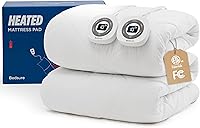
Do not confuse a comforter with a heated pad or mattress pad either. A heated mattress pad for a split king bed sits on the bed and serves a different purpose from a comforter.
Can you use a topper with memory foam?
Yes, you can place a topper over a memory foam mattress, but the combined feel may become softer and less responsive. Check the mattress and topper fit, then make sure the fitted sheet can cover the added height.
The Linenspa topper is itself gel memory foam, so it creates a more noticeable foam-on-foam change. The Niagara topper adds a quilted, fiber-based surface instead.
Read Can You Put a Topper on a Memory Foam Mattress? for the fit and feel questions to check before layering. If heat is your concern, compare a cooling mattress topper or pad rather than assuming every topper sleeps the same.
Which should you choose for back comfort?
Choose the layer that matches the source of discomfort, and avoid treating a topper as medical care. A topper may change pressure and surface feel, but ongoing pain deserves advice from a qualified health professional.
Back comfort often comes down to how pressure is spread across the body. A mattress that feels too firm can leave shoulders, hips and the lower back with less give at key contact points.
A plush foam topper may suit someone who wants more contouring under those areas. The Linenspa topper uses gel infused memory foam in a 2 in profile, so the change is mainly about cushioning and pressure relief.
That kind of layer may feel more supportive to someone who likes foam that responds to body curves. It may also feel too soft or too warm to someone who prefers a firmer, more responsive surface.
A quilted topper offers a different route. The Niagara topper adds a soft pillow top style surface and fits mattresses from 8 to 20 in deep, which can help on a thicker bed.
Its washable construction may matter in homes where bedding needs regular cleaning. Easy care can be part of comfort because a clean, fresh surface is easier to live with night after night.
Neither option fixes a mattress that has lost its structure. If the center sags or the base feels uneven, a topper may only cover the problem for a while.
Check the mattress first by looking for dips, soft spots and uneven support. Also check whether the fitted sheet still closes around the added height after the topper is in place.
Sleep position can shape the choice as well. Side sleepers often notice pressure at the shoulders and hips more quickly, while back and stomach sleepers may care more about surface support and heat.
Use Is a Mattress Topper Good for Back Pain? for a more focused comparison. It is also wise to check whether the mattress itself is sagging, since a topper cannot restore missing structural support.
Think of the topper as a comfort adjustment rather than a cure. If pain is new, severe or persistent, get qualified advice before relying on bedding alone.
How do you decide between these products?
Pick the Linenspa topper for plush gel memory foam, the Niagara topper for a washable deep-pocket layer, the Utopia comforter for full-size warmth, and the CozyLux set for coordinated queen bedding.
The topper choices address the mattress surface. The comforter choices address warmth and coverage above the sleeper.
A topper can be used with either comforter if the fitted sheet still fits securely. Measure your mattress, topper and existing bedding together before ordering, especially when the mattress is already thick.
For the simplest decision, choose based on the problem:
- Too firm beneath you: Linenspa 2 Inch Gel Memory Foam Mattress Topper.
- Need a soft, washable queen layer: Niagara Sleep Solution Queen Ultra Soft Mattress Topper.
- Need full-size warmth: Utopia Bedding Full Size Comforter.
- Need queen sheets and comforter together: CozyLux Queen Comforter Set.
The mattress topper vs comforter choice is not really an either-or decision. Use a topper to change cushioning beneath you and a comforter to change warmth above you.
Frequently asked questions
What is the difference between a mattress topper and a comforter?
A mattress topper sits on top of the mattress beneath your fitted sheet, so it changes the bed's cushioning and surface feel. A comforter lies above the sleeper and adds warmth.
A topper cannot replace a comforter, and a comforter cannot soften a mattress.
Can you use a mattress topper and comforter together?
Yes. Place the mattress topper directly on the mattress, cover it with a fitted sheet, and use the comforter above the sheet.
Check the fitted-sheet pocket depth after adding the topper, because the extra height may make a shallow sheet hard to secure.
Does a comforter make a mattress softer?
No. A comforter adds warmth and some surface weight above you, but it does not create a stable cushioning layer beneath your body.
If your mattress feels too firm, compare a foam or quilted mattress topper instead.
Which is better for hot sleepers, a topper or comforter?
Neither category is automatically cooler. Look at the materials and thickness of the exact item.
The Linenspa topper has cooling gel in memory foam, while the CozyLux comforter has 240 GSM polyester fill designed for lightweight, all-season use.