Full vs Full XL Mattress: What Is the Difference? (November 2026)
A full XL mattress is 5 inches longer than a standard full, while both are 54 inches wide. Choose full XL if you need the extra legroom and can find compatible bedding; choose full if standard sheets and wider availability matter more.
On this page (6 sections)
A full XL mattress is 5 inches longer than a standard full, while both are 54 inches wide. Choose full XL for extra legroom, or choose full for standard bedding availability and a shorter footprint.
A standard full measures 54 x 75 inches. A full XL measures 54 x 80 inches, so its extra length can matter if your feet reach the edge of a standard full.
The width stays the same. The key tradeoffs are room length, sheet fit and finding a mattress or protector made for the exact size.
 Best for full XL protection
Utopia Bedding Mattress Protector Zippered Full XL
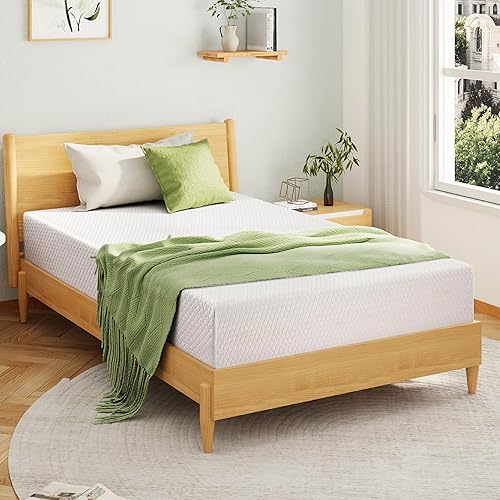
Full mattress vs full XL: what is the size difference?
A full XL keeps the full mattress width and adds 5 inches of length. Its 54 x 80 inch dimensions match the width of a full but the length of a twin XL.
That extra length can give taller sleepers more room to stretch out. It does not add space side to side, so it may still feel narrow if 2 people share the bed.
Use a mattress size chart to compare these dimensions with other common beds. If you are also considering a narrower long bed, see what size is a twin XL mattress.
How does full XL compare with twin XL?
A twin XL is also 80 inches long, but it is only 38 inches wide. A full XL adds 16 inches of width while keeping that same 80 inch length.
That makes the full XL a possible choice when one sleeper wants extra width and length, while a twin XL uses less floor space. Check the room and frame dimensions before choosing either.
Which mattress size fits your room?
Choose the size that fits your room with enough space to walk around the bed. A full XL needs 5 more inches of clear length than a full, plus room for the frame.
Measure the floor area where the bed will stand, then include the frame's outside dimensions. Headboards, footboards and rails can extend beyond the mattress itself.
Also check doors, drawers and closet access. A mattress may fit on the floor plan but leave too little room to open a drawer or walk past the bed.
When is a standard full the better fit?
A standard full suits a shorter room or a setup that already uses full-size sheets and accessories. Its 54 x 75 inch footprint also makes it easier to compare with the many mattresses built in standard full dimensions.
If standard full is your likely choice, compare the options in our best full size mattress guide. For a narrower bed, our twin mattress vs full comparison explains how the extra width changes the choice.
When is full XL worth the extra length?
Full XL is worth considering when a standard full feels short but you do not want a wider bed. Measure your sleep space first, since its 80 inch mattress length needs a frame and bedding to match.
A mattress length alone does not guarantee comfortable clearance at the foot of the bed. Leave space for the frame and any nearby furniture.
Do full sheets fit a full XL mattress?
Full XL mattresses need bedding sized for 54 x 80 inches. Standard full fitted sheets are usually cut for a 75 inch length, so the corners may pull or slip on a longer mattress.
Look at the dimensions on fitted sheets, mattress pads and protectors rather than relying on a size label alone. Also compare pocket depth with the mattress thickness and any topper you plan to add.
A flat sheet can often cover a longer bed, but the amount of fabric available to tuck in may differ. A fitted sheet has to match the mattress length and width more closely.
What should you check before buying full XL bedding?
Check the package dimensions and the mattress depth range. If you use a topper, include its thickness when checking fitted sheet pockets.
For full XL coverage, the Utopia Bedding zippered full XL protector is sized for a 54 x 80 inch mattress up to 13 inches deep. It fully encases all sides and has a waterproof barrier.
Which frame works with a full XL?
Choose a frame labeled for full XL or one whose manufacturer confirms it fits a 54 x 80 inch mattress. A standard full frame may be 5 inches too short.
Measure the inside support area and the frame's outer footprint. Check that slats or other support parts extend along the mattress as the frame maker requires.
Don't assume an adjustable frame, platform or headboard will match just because it fits a full mattress. Confirm compatibility with the exact model before buying.
Can you put a full XL mattress on a full frame?
A full XL mattress can overhang a full frame by about 5 inches if the frame's support length is designed for a standard full. That can leave part of the mattress unsupported.
Check the frame maker's size and support instructions. If the frame is not approved for full XL, choose a compatible frame rather than relying on the mattress to bridge the gap.
What full and full XL mattress options are available?
A standard full mattress gives you a 54 x 75 inch footprint, while full XL products can add length or protect an existing 54 x 80 inch bed. Match each item to the size of your frame and mattress.
The EGOHOME full mattresses below are standard full size, not full XL. Both measure 54 x 75 inches, with different thicknesses.
For an existing full XL mattress, the Niagara Sleep Solution topper measures 54 x 80 inches and fits mattresses 8–20 inches deep. Its plush surface adds cushioning without changing the mattress size.
When choosing a mattress, compare feel and construction separately from size. Our guide to mattress firmness vs support explains why those terms describe different things, and our innerspring mattress vs memory foam comparison covers the basic construction differences.
How do you decide between full and full XL?
Pick full if 54 x 75 inches fits your room and you want standard full bedding; pick full XL if you need 5 extra inches and can match the frame and sheets. The width is 54 inches for both.
Before you buy, measure the mattress space, frame support area and bedding you already own. If each item matches the same dimensions, the choice comes down to whether the extra length helps you.
For a taller sleeper who finds a standard full short, full XL can be a practical fit. For a tight room or a setup built around standard full accessories, stay with full.
Frequently asked questions
How much longer is a full XL than a full?
A full XL is 5 inches longer than a standard full: it measures 54 x 80 inches, while a full measures 54 x 75 inches. Both sizes are 54 inches wide, so the difference is length rather than width.
Will full sheets fit a full XL mattress?
Standard full sheets are made for a 75 inch mattress length, so they may not fit a full XL's 80 inch length securely. Look for full XL sheets and check the fitted sheet's pocket depth against your mattress.
Is a full XL the same as a twin XL?
No. A full XL is 54 x 80 inches, while a twin XL is 38 x 80 inches.
They share a length, but the full XL is 16 inches wider.
Check the exact dimensions when buying bedding or a frame.
Can I use a standard full mattress protector on a full XL?
A standard full protector may be too short for a full XL mattress. Match the protector to 54 x 80 inches and check its depth range; this Utopia Bedding encasement fits full XL mattresses up to 13 inches deep.
Who should choose a full XL mattress?
Choose a full XL if you want the width of a full and need 5 more inches of length. First check that your room, frame, fitted sheets and protector can accommodate 54 x 80 inches.