Down Pillow vs Feather Pillow: Which Should You Choose? (November 2026)
Pick down for the softest, lightest loft and feather for firmer, more structured support. In this down pillow vs feather pillow guide, the fill ratio tells you more than the name on the label.
On this page (11 sections)
- Down pillow vs feather pillow: what is the real difference?
- Down pillow vs feather pillow side by side
- Softness: down wins for a cloud like feel
- Support and firmness: feather wins for structure
- Size and shape: standard, queen and king explained
- Covers and barriers: why cotton and lining matter
- Maintenance: washing, drying and fluffing
- Allergies and natural fill: who should skip down and feather?
- Which down pillow vs feather pillow suits your sleep position?
- Who should buy which pillow in this guide?
- Down pillow vs feather pillow: the verdict
Pick down for the softest loft and feather for firmer support. In this down pillow vs feather pillow comparison, down wins on softness and lightness, while feather wins on structure and shape retention.
Down is the soft cluster material from under the feathers. Feather is the stiffer outer material that gives a pillow its backbone.
Most real pillows mix the two in different ratios.
That ratio matters more than the word hotel on the label. A 95% feather pillow and a 10% feather pillow will feel like different products, even in the same size.
Our score weighs specs, features and buyer feedback against what you are shopping for. We compared fill ratios, sizes, covers and firmness across the four pillows below.
 Best for stomach and back sleepers
Amazon Basics Down Alternative Pillows for Stomach
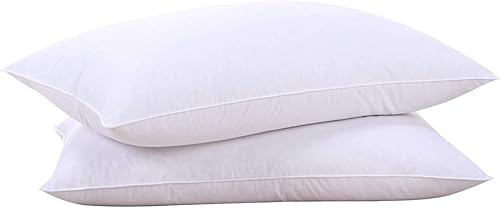 Best for medium firm support
puredown® Goose Feathers and Down White Pillows
Down pillow vs feather pillow: what is the real difference?
Down is soft and light, feather is firm and structured. Down clusters have no stiff quill, so they compress under your head and then spring back.
Feathers have a central shaft. That shaft gives support, but it can also create poking points if the inner barrier is thin.
A good feather proof barrier makes a daily difference.
Down pillows vs feather pillows are rarely pure. Brands blend them to tune price, loft and firmness.
Read the percent on the label before you judge softness.
Is a down pillow feather? No, down is a different part of the bird.
Is a down pillow a feather pillow? Only if the fill includes a large share of actual feathers.
A down alternative pillow is a third option. For a product example, see the Beckham Hotel Collection pillow review.
It uses synthetic fibers to copy the soft feel, and our guide on what is down alternative pillow explains when that trade off helps.
Down pillow vs feather pillow side by side
Use the fill ratio, size and firmness to compare, not the product name alone. The table below puts the four pillows in this guide in score order.
The top pick is a down alternative, not a natural fill. It scores highest here for stomach and back sleepers who want soft density and a washable synthetic option.
The next three are natural blends. Two puredown models are feather heavy, at 90% and 95% feathers.
The COZSINOOR model blends feather with down alternative fiber.
Size also splits the group. You get standard, queen and king sizes, so bed width and pillowcase size decide which one fits.
Medium firmness is shared by the three natural blends.
If you want a broader view of sizes and feels, start with our pillar on bed pillows. It helps you match pillow height to sleep position before you choose a fill.
Softness: down wins for a cloud like feel
Down feels softer because its clusters trap air and give way under pressure. That airy loft is why many people describe down as cloud like.
Feather feels less soft on first touch. The shafts create a firmer core, so your head rests more on top of the pillow instead of sinking into it.
A feather heavy blend, such as 90% feathers and 10% down, keeps fluffiness but adds medium firm support. The maker describes that mix as fluffiness with medium firm support.
A down rich blend would feel softer and lighter. None of the natural pillows here is down rich, so expect a more supportive feel than a pure down pillow would give.
Softness also changes with age. Down can flatten over time, and puredown notes that regular fluffing and shaking help maintain loft.
Feather tends to hold its shape longer.
If softness is your main goal, look for a higher down share. If support is your main goal, a higher feather share usually helps you more.
Support and firmness: feather wins for structure
Feather gives firmer support because the shafts resist compression. That makes feather heavy pillows easier to shape around your head and neck.
The puredown standard set has medium firmness and a basic shape. It is built to give fluffiness plus medium firm support, not a flat hotel pillow feel.
The puredown king set also has medium firmness, with a gusseted shape and diamond lattice quilted finish. The gusset helps the pillow keep its height along the edges.
The COZSINOOR queen set has medium firmness for back, side and stomach sleepers. COZSINOOR describes soft support with medium firmness for those three positions.
Firmness is not the same as height. A medium pillow can still feel low if it is thin, or high if it is thick and gusseted.
Check size and shape, not just the firmness word.
Side sleepers often need more height to fill the shoulder gap. Our best down pillows for side sleepers guide helps you judge height for that position.
Size and shape: standard, queen and king explained
Size decides fit before fill decides feel. A king pillow on a standard case will bunch, and a standard pillow on a king bed can look lost.
The Amazon Basics 2-pack is standard size at 26 x 20 inches. It is a soft density option for stomach and back sleepers who need less height.
The puredown standard set is also 20 x 26 inches, set of 2, with a 100% cotton cover. Standard suits most smaller beds and standard pillowcases.
The COZSINOOR set is queen size, set of 2, at 18 x 29 inches. Queen gives more width for two people to share across the headboard.
The puredown king set is 20 x 36 inches, set of 2, gusseted. King is the widest option here and needs a king pillowcase to sit flat.
Measure your pillowcase opening before you order. A pillow that is too wide for its case will not fluff well, no matter how good the fill is.
Covers and barriers: why cotton and lining matter
Cotton covers and feather proof barriers affect comfort and poking. A soft cover changes how a firm fill feels against your skin.
The puredown standard set uses a cotton fabric cover described as soft, breathable and skin friendly. The king set uses a 100% cotton cover with double fabric lining.
Double lining helps prevent down and feather filling from leaking or sticking out. That detail matters with feather heavy fills, where shafts can work toward the surface.
COZSINOOR uses a 600-thread-count cotton cover with a satin stripe design. It also describes an inner feather proof barrier to keep feathers from poking through.
The Amazon Basics set uses a 100% polyester shell with piping along the edge. Polyester is a practical synthetic choice, and the fill is down alternative rather than natural down.
Breathability claims should be tied to material. Cotton and polyester both appear here, so pick the cover you prefer for heat, washing and feel.
Maintenance: washing, drying and fluffing
Both down and feather need gentle washing and thorough low heat drying. Skipping full drying can leave clumps and reduce loft.
The puredown standard set can be machine washed in cold water on a gentle cycle, then tumble dried low until thoroughly dry. The king set follows the same cold, gentle and low approach.
COZSINOOR lists machine wash care for its queen set. Follow the care label for your exact pillow, since blends and covers differ across models.
Fluffing matters between washes. The king set maker suggests fluffing every morning to help keep the pillow in good condition.
Shaking also helps natural fill spring back.
Use a pillowcase and wash it often. A case protects the cover from sweat and oils, which can weigh down natural fill over time.
For a step by step routine, read how to wash down pillows. It covers detergent, cycle choice and drying time in plain terms.
Allergies and natural fill: who should skip down and feather?
People with bird allergies or allergy concerns often choose down alternative. Natural down and feather can bother some sensitive sleepers.
The Amazon Basics set uses down alternative fill and is described as a great option for allergy sufferers. Its shell and fill are 100% polyester.
That synthetic option is also washable, which helps households that wash pillows more often. It avoids the natural fill entirely, so it suits people who prefer to avoid down and feather.
Natural fills still have fans. puredown lists breathable and hypoallergenic material features for its pillows, and COZSINOOR lists breathable cotton. Those claims do not mean natural fill suits every allergy.
If you react to feathers, do not assume a blend will be safe. A 60% feather blend still contains a large share of feather.
When in doubt, choose a down alternative or a shredded memory foam option. Our shredded memory foam vs memory foam pillow guide covers a different fill family.
Which down pillow vs feather pillow suits your sleep position?
Stomach sleepers need low, soft pillows; side sleepers need higher support. Back sleepers usually sit in the middle.
The Amazon Basics set is made for stomach and back sleepers with soft density. That low, plush feel suits people who want less lift.
The COZSINOOR queen set is described for back, side and stomach sleepers at medium firmness. It is the most position flexible natural blend here by that description.
The puredown standard set gives medium firm support in a basic shape. It suits back and side sleepers who want structure, and it may be too high for some stomach sleepers.
The puredown king set is gusseted and medium firm. Its shape helps it hug the head, and king width can suit couples who move across the bed.
If you toss and turn, shape retention matters. Feather heavy fills hold shape, while soft down rich fills may need more frequent reshaping.
Talk to a doctor if you have ongoing pain or sleep problems. Pillow choice can affect comfort, but it is not a medical treatment.
Who should buy which pillow in this guide?
Buy by fill ratio first, then by size and sleep position. That order prevents a pretty cover from hiding a fill you will not like.
Choose the Amazon Basics set if you want a down alternative, soft density and a 2-pack in standard size. It is the only fully synthetic option in this group.
Choose the puredown standard set if you want 90% feathers and 10% down with medium firm support. Its cotton cover and set of 2 format suit standard size beds.
Choose the COZSINOOR queen set if you need queen size and a cotton cover with a feather proof barrier. Its medium firmness covers back, side and stomach positions.
Choose the puredown king set if you need king size and a gusseted shape. Its 95% feather and 5% down mix is the firmest by ratio, even though firmness is listed as medium.
For a wider natural fill shortlist, see our best down feather pillows. For a true down only shortlist, see our best down pillow for bed.
If you are still torn between natural and synthetic, compare them head to head. Our down pillow vs down alternative guide explains the trade offs in more detail.
Down pillow vs feather pillow: the verdict
Pick down rich fill for softness, feather heavy fill for support, and down alternative for allergy friendly care. Your sleep position should break any remaining tie.
Down pillows vs feather pillows come down to one question. Do you want your head to sink in, or do you want the pillow to hold its shape under your head?
Stomach and back sleepers who want softness should lean toward the Amazon Basics down alternative set in standard size. Side sleepers who want structure should lean toward a feather heavy natural blend.
Queen and king beds change the answer. COZSINOOR covers queen, and the puredown king set covers king with a gusseted shape and cotton cover.
Whichever fill you pick, fluff it daily, use a washable pillowcase and dry it fully after washing. Those habits keep loft longer than any label claim.
Next, check your size and sleep position against the four pillows above. Then pick the fill ratio that matches the feel you want each night.
Frequently asked questions
Is a down pillow a feather pillow?
No. A down pillow is filled mainly with down clusters, while a feather pillow is filled mainly with feathers.
Many pillows mix both, so check the ratio.
A 90% feather and 10% down pillow will feel firmer than a down rich blend.
Is a down pillow feather?
Down comes from the soft under feathers of geese or ducks, and it is not the same as a stiff flight feather. That is why down feels lighter and fluffier.
Feather fills give more structure and support, but they can feel heavier.
Which is softer, down or feather?
Down is usually softer because its clusters trap more air and compress more easily. Feather adds firmness and keeps its shape for longer.
If you like a cloud like feel, down rich blends suit you best for softness alone.
Are down pillows vs feather pillows hard to wash?
Both need careful washing and thorough drying to keep loft. Use a gentle cycle, cold water and low heat drying.
Check our guide on how to wash down pillows before you start, and fluff the pillow often between washes.