Mattress vs Futon: Comfort, Support and Space
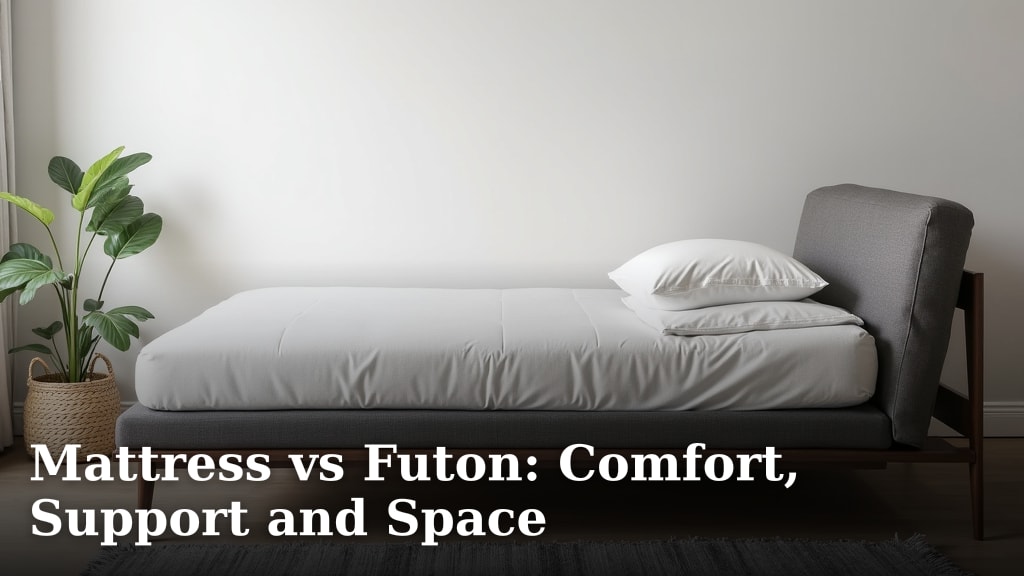
Choosing between a mattress and a futon comes down to your priorities for comfort, support, and space. Generally, a traditional mattress offers superior long-term comfort and support for everyday sleeping, while a futon provides versatility and space-saving benefits, often at the expense of consistent sleep quality.
You’re likely weighing the pros and cons for a guest room, a small apartment, or even your primary sleeping solution. We found that the right choice depends on how frequently it will be used for sleeping and your available room. Do you need a bed that folds into a couch?
- Mattresses offer better comfort and support for daily use.
- Futons are great for small spaces and occasional sleeping.
- Consider how often the bed will be used.
- Think about your budget and aesthetic preferences.
- Your body type can influence your ideal choice.
Let’s walk through the key differences between a mattress and a futon, helping you decide which is best for your needs.
Understanding the Core Differences: Mattress vs. Futon
When you’re trying to decide between a mattress and a futon, it really boils down to how each one is built and what it’s designed to do. We found that understanding their basic construction helps clear up a lot of questions.
The Anatomy of a Mattress
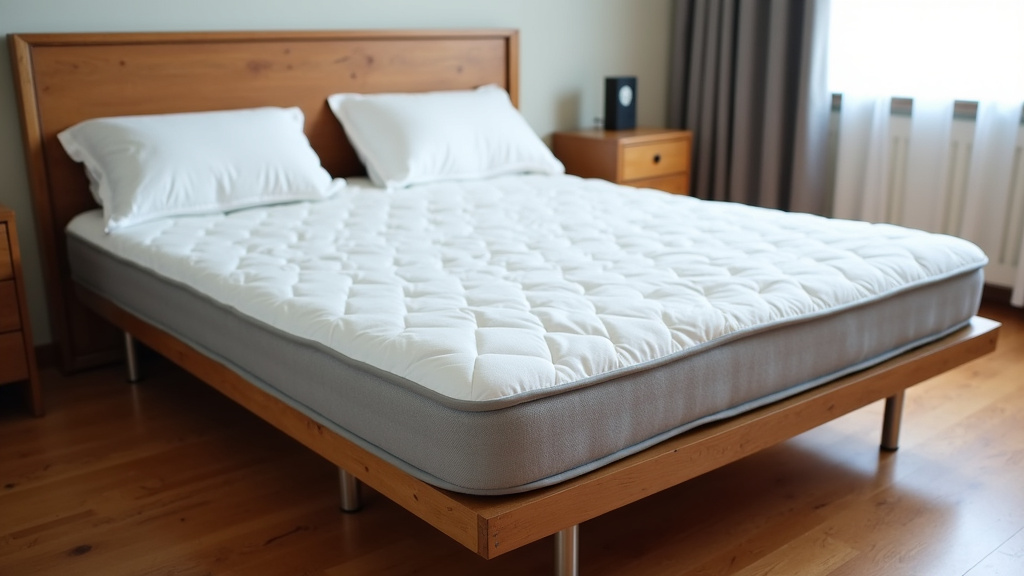
Think of a mattress as a dedicated sleep surface. Its primary job is to give you a great night’s rest. You’ll find them in a few main types, each with its own feel.
Types of Mattresses
You have choices when it comes to mattresses, and each of the main types of mattresses offers a different sleeping experience.
- Innerspring: These use coils for support. They’re often bouncy and have good airflow.
- Memory Foam: This material conforms to your body, offering pressure relief. It feels like you’re sinking in a little.
- Latex: Made from rubber tree sap, latex mattresses are responsive and durable. They can be natural or synthetic.
- Hybrid: As the name suggests, hybrids combine coils with layers of foam or latex. They aim to give you the best of both worlds.
Each type is designed for long-term, nightly use, focusing on comfort and support for your spine (Cleveland Clinic).
The Design of a Futon
A futon is much more versatile. It’s built to be a sofa by day and a bed by night. This dual function influences its construction.
Futon Components
A futon system typically has two main parts: the frame and the mattress.
- Futon Frame: These frames are usually wood or metal. They’re designed to fold and unfold, transforming the piece from a seat to a bed.
- Futon Mattress: Unlike a traditional mattress, a futon mattress is made to be flexible. It needs to bend without breaking. They’re often thinner and firmer than regular mattresses.
The materials inside a futon mattress vary. You might find cotton, foam, or a mix of both. This flexibility is key to its design.
Comparing Comfort and Support
Here’s where you’ll see the biggest difference. Your body needs proper support for healthy sleep. Comfort is how good it feels to lie down.
Mattress: Built for Restorative Sleep
A mattress is engineered for sleep. It provides the kind of support your body needs night after night. We found that this is crucial for preventing aches and pains.
Superior Body Conformity and Pressure Relief
Good mattresses distribute your body weight evenly. This reduces pressure points on your hips, shoulders, and back (NIH). Think of it like floating, rather than sinking or perching.
The thicker layers in most mattresses mean more cushioning. This helps with alignment, keeping your spine in a neutral position while you sleep, which is really a matter of support rather than surface firmness.
Durability of Comfort
A quality mattress maintains its comfort and support for many years. It’s built to withstand daily use without significant sagging or indentations. This means less chance of waking up stiff.
Futon: Practicality Over Perfection
Futons prioritize adaptability. While they can be comfortable, they rarely match a dedicated mattress for long-term sleep quality. They’re a compromise for space-saving.
Variable Support and Firmness
Futon mattresses are typically firmer. This is because they need to hold their shape as a sofa. While some people prefer a firm feel, a futon might not offer the plushness or contouring you expect from a bed.
The thinner design means less material to absorb pressure. We found that this can sometimes lead to discomfort during extended sleep, especially if you have sensitive joints.
Limited Long-Term Comfort
Over time, a futon mattress can compress and lose its resiliency faster than a traditional mattress. This is especially true if it’s used frequently as a sofa and a bed. You might find yourself feeling the frame underneath sooner than you’d like.
Considering Space and Versatility
This is where futons really shine. If you live in a smaller home, or need a multi-functional piece of furniture, a futon offers some unique advantages.
Futons: The Space-Saving Champion
If you’re tight on space, a futon can be a lifesaver. It lets one room serve two purposes, which is incredibly useful.
Dual-Purpose Furniture
Imagine your guest room transforming into a home office during the day, or your studio apartment feeling much larger. A futon makes this possible by acting as a sofa when not in use as a bed.
This flexibility is especially appealing for small apartments, dorm rooms, or secondary living spaces. You’re getting two pieces of furniture for the footprint of one.
Mattresses: Dedicated Sleep Zone
A traditional mattress usually means dedicating a space solely for sleeping. It’s a single-purpose item designed for one thing: a good night’s rest.
Requires More Permanent Space
A mattress on a bed frame takes up a consistent amount of floor space. It doesn’t fold away or convert into other furniture. This works well if you have a dedicated bedroom or ample space for sleeping.
While some modern bed frames offer storage underneath, the bed itself remains a constant presence in the room.
Longevity and Investment
How long do you expect your sleeping surface to last? What’s your budget? These are important questions when making your choice.
Mattress Lifespan and Cost
A quality mattress is an investment in your health and well-being. It’s designed for durability over many years.
Expected Durability
Most traditional mattresses are built to last between 7 to 10 years (Mayo Clinic). With proper care, some can even exceed that. This long lifespan means the cost per night of use is often lower than you might think.
Regular flipping or rotating, depending on the mattress type, can help extend its life and maintain consistent support.
Initial Investment
Mattresses generally have a higher upfront cost. Prices vary widely based on type, brand, and features. However, remember you’re paying for dedicated comfort and support for nearly a decade.
Futon Lifespan and Cost
Futons are often more budget-friendly initially, but their lifespan can be shorter, especially with frequent use.
Shorter Lifespan
Because futon mattresses are thinner and undergo more stress from folding, they tend to wear out faster. You might find yourself replacing the futon mattress every 3-5 years, particularly if it’s used daily as both a sofa and a bed.
The frames are generally more durable, but the mattress component is the most susceptible to wear and tear.
More Affordable Entry Point
Futons typically have a lower initial price point than traditional mattresses and bed frames. This makes them attractive for those on a tight budget or needing a temporary solution. However, factor in potential replacement costs over time.
Who is Each Option Best For?
Let’s make this decision easier for you. Consider your lifestyle and needs. There’s a perfect fit for everyone.
Choose a Mattress If…
A mattress is your best bet for consistent, high-quality sleep.
- You use it every single night.
- You want the best possible support for your back and joints.
- You have a dedicated bedroom space.
- You prefer a wide range of comfort options (soft, firm, contouring).
- You’re looking for a long-term investment in sleep health.
Opt for a Futon If…
A futon excels in situations where flexibility and space are key.
- You need a multi-functional piece for a small room.
- It will be used mainly for occasional guest sleeping.
- You’re on a tighter budget for your initial purchase.
- You appreciate the minimalist aesthetic or a casual vibe.
- You need a spare bed that can convert to seating.
Quick Comparison Table: Mattress vs. Futon
Here’s a snapshot to help you compare the main features side-by-side.
| Feature | Traditional Mattress | Futon |
|---|---|---|
| Primary Use | Dedicated, nightly sleeping | Multi-purpose: sofa & occasional bed |
| Comfort & Support | Superior, advanced cushioning | Good as a sofa, moderate as a bed |
| Space Efficiency | Low (fixed size) | High (converts from sofa to bed) |
| Lifespan (Mattress) | 7-10 years | 3-5 years (futon mattress) |
| Initial Cost | Higher investment | Lower, more budget-friendly |
| Maintenance | Requires regular cleaning, flipping/rotating | Requires regular cleaning, folding/unfolding |
Making Your Final Decision
Your choice truly depends on your lifestyle. Don’t let trends sway you. Focus on what you need.
Consider Your Body and Sleep Habits
Are you a side sleeper? Do you have back pain? These factors are huge, and working out what type of mattress you need makes the choice clearer. Many experts say that proper spinal alignment is key for health (American Academy of Sleep Medicine). A mattress offers more customization here.
If you sleep hot, some mattress types have better airflow. Consider your personal preferences carefully.
Think About Your Budget Long-Term
While a futon might save you money upfront, consider how often you’ll be replacing that futon mattress. Sometimes, spending more initially on a quality mattress pays off in the long run with fewer replacements and better sleep health.
Visualize Your Space
How does each option fit into your room? Will a futon genuinely free up space, or will it just feel like a slightly uncomfortable bed all the time? Is your room big enough for a dedicated sleeping area?
Imagine using it daily. Does the idea of folding and unfolding a futon appeal to you, or would you prefer a ready-made bed?
Conclusion
Choosing between a mattress and a futon ultimately comes down to your unique situation. We’ve seen that a traditional mattress provides superior comfort and support for nightly, restorative sleep, making it a solid investment in your well-being. On the other hand, a futon excels in versatility and space-saving, perfect for guest rooms or smaller living areas where dual functionality is a must.
Consider how often you’ll use it for sleeping, your available space, and your budget, and if comfort is the deciding factor our guide to picking mattress firmness can help. Think about your body’s needs. Now, take a moment to visualize your ideal setup and choose the option that best supports your lifestyle.
Frequently Asked Questions
Is a futon comfortable enough for everyday sleeping?
While some futons offer decent comfort, they are generally not designed for the same level of support as a traditional mattress. For everyday sleeping, you might find a futon too firm or lacking in pressure relief over time. A mattress typically offers better spinal alignment for consistent use.
Can a futon really save space in a small apartment?
Yes, absolutely! This is one of the biggest advantages of a futon. It allows you to have both a sofa and a bed in the same footprint. This conversion capability makes a small living area much more functional during the day and night.
How long does a futon mattress typically last compared to a regular mattress?
A futon mattress generally has a shorter lifespan, usually lasting about 3-5 years, especially with regular use as both a sofa and a bed. A quality traditional mattress, designed for dedicated sleep, can last 7-10 years or even longer with proper care.
Are there any health benefits to choosing a mattress over a futon?
For most people, a mattress offers better ergonomic support for your spine and joints. This can lead to fewer aches and pains, improved sleep quality, and better overall spinal health over time. Futons often lack the advanced layering and targeted support found in mattresses.
Is it cheaper to buy a futon than a mattress in the long run?
Not necessarily. While a futon usually has a lower initial price, you might need to replace the futon mattress more frequently. A quality mattress, while a higher upfront investment, typically lasts much longer. Consider the cost of replacements when budgeting long-term.