What Is a Plush Mattress? Feel, Layers and Who It Suits
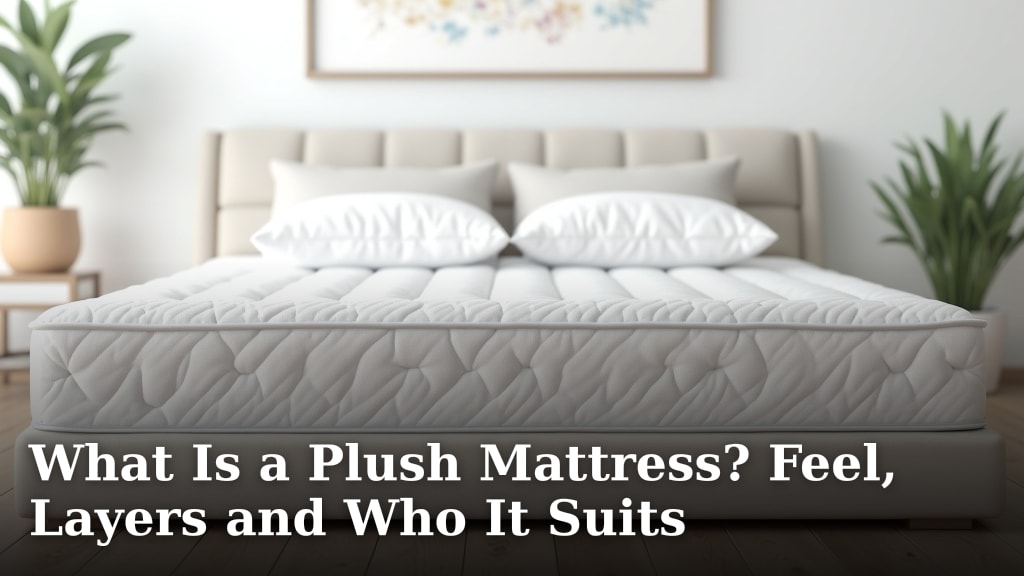
A plush mattress is a type of bed designed for a softer, more cushioned feel when you lie down. It often features extra comfort layers on top, making it feel like you’re sleeping on a cloud. This mattress style prioritizes pressure relief and a gentle hug for your body.
You might be wondering if a plush bed is right for you. We found that these mattresses typically offer a gentler sleeping surface compared to firm or medium-firm options. They are built with materials that easily contour to your shape, providing a cradling sensation.
TL;DR: Here’s what you’ll learn about plush mattresses:
- Plush means soft and deeply cushioned.
- They offer excellent pressure relief for hips and shoulders.
- Often feature thick comfort layers like memory foam or latex.
- Best suited for side sleepers and those who prefer a soft feel.
- May not be ideal for stomach sleepers or those needing very firm support.
Let’s dive into what makes a plush mattress unique, from its construction to who benefits most from its soft embrace.
Understanding the Plush Mattress: What Makes It So Soft?
You’re looking for a bed that feels like a soft hug, right? A plush mattress delivers exactly that. It’s all about the gentle cushioning and how it cradles your body. We found that the term “plush” refers to the overall feel, not necessarily a specific material.
Think of it like a really cozy blanket. It’s soft, inviting, and makes you feel instantly comfortable. That’s the goal of a plush mattress: to offer a surface that responds to your body’s curves and relieves pressure.
Defining “Plush”: More Than Just Softness
When you hear “plush,” your mind probably jumps straight to “soft.” And you’re not wrong! But it’s more nuanced than that. A plush mattress aims for a specific type of softness – one that offers deep contouring without sacrificing support underneath.
Many experts say that “plush” describes a mattress that falls on the softer end of the firmness scale. Typically, this means it ranks around a 3 or 4 out of 10 on the firmness scale, where 1 is extra soft and 10 is extra firm. It’s designed to let your body sink in a bit, rather than lying strictly on top.
Plush vs. Firm vs. Medium: What’s the Difference?
It can be confusing to keep all these terms straight. Let’s break down how plush compares to its firmer cousins, starting with the medium firm mattress. Understanding these differences helps you choose the best mattress for your sleep needs.
| Mattress Type | Feel/Firmness Level | Key Benefit | Ideal Sleeper |
|---|---|---|---|
| Plush | Soft, cloud-like (3-4/10) | Deep pressure relief, body contouring | Side sleepers, lighter individuals |
| Medium | Balanced, adaptable (5-6/10) | Versatile comfort and support | Combo sleepers, couples |
| Firm | Supportive, rigid (7-8/10) | Spine alignment, no sinkage | Stomach/back sleepers, heavier individuals |
As you can see, each mattress type serves a different purpose. A plush mattress really shines in its ability to dissipate pressure points, which we’ll discuss next.
The Science of Comfort: How Plush Mattresses Relieve Pressure
Have you ever woken up with a sore hip or shoulder? This often happens when your mattress isn’t properly cushioning those sensitive areas. Plush mattresses are designed to address this common problem directly.
They work by allowing your body to sink into the top layers, distributing your weight more evenly. This helps to reduce concentrated pressure on joints. It’s like floating on a calm body of water instead of lying on a hard surface.
Key Layers and Materials in Plush Mattresses
The secret to a plush mattress’s comfort lies in its construction. It’s not just one soft layer; it’s a careful combination of materials. We found that these beds typically feature a thicker comfort system compared to firmer models.
- Memory Foam: This material is famous for its slow response and ability to contour precisely to your body. It “remembers” your shape, offering a personalized hug.
- Latex: Natural or synthetic latex can also provide a plush feel. It’s often described as bouncier than memory foam but still offers excellent pressure relief.
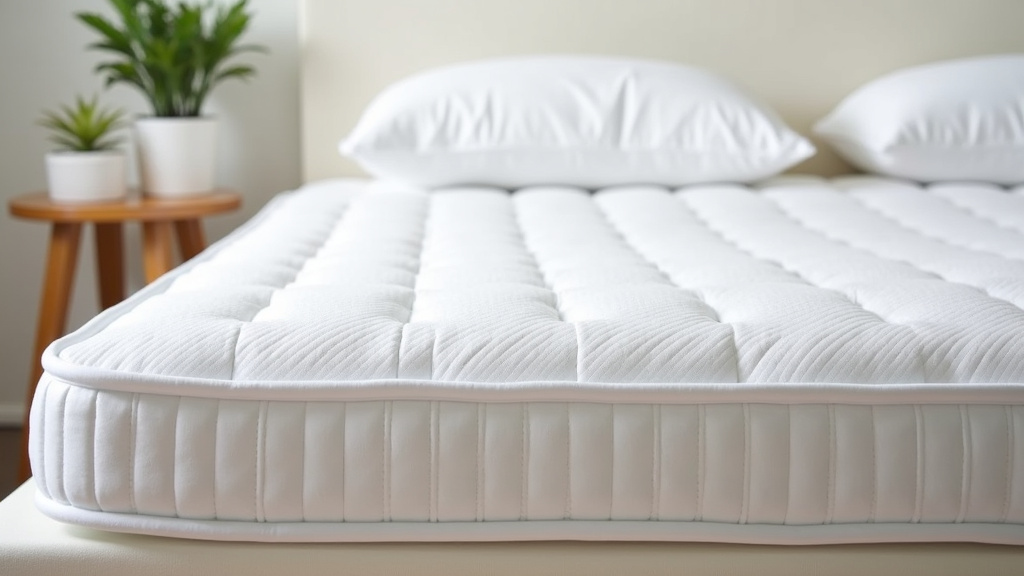
- Pillow Top/Euro Top: These are extra comfort layers sewn onto the very top of the mattress. A pillow top has a visible gap, while a Euro top is flush with the edges, creating a more uniform look.
- Soft Coils: Innerspring or hybrid plush mattresses might use softer gauge coils in the support core. These coils compress more easily, adding to the overall soft feel.
- Polyfoam: Often used as a transitional layer, polyfoam can be manufactured in various densities and softness levels to contribute to the plush feel.
The goal of these layers is to work together, providing that signature soft surface while still offering adequate underlying support for your spine. It’s a delicate balance.
The Importance of Support Underneath the Softness
While plush mattresses are all about softness, they still need to provide proper spinal alignment. A mattress that’s too soft without enough support can lead to back pain over time, which is why firmness and support are not the same thing. We found this is a common concern people have.
Think of it like building a house. You want a soft, comfortable carpet inside, but you need a strong foundation underneath. Similarly, a good plush mattress will have a robust support core, even if it feels incredibly soft on top. This core prevents excessive sinkage and keeps your spine in a neutral position (National Sleep Foundation).
Who Will Love a Plush Mattress? Your Ideal Sleep Profile
A plush mattress isn’t for everyone, but for certain sleepers, it can be a dream come true. Knowing if you fit the profile can help you make an informed decision for your best sleep.
Side Sleepers: Your Hips and Shoulders Will Thank You
If you sleep on your side, you know the struggle of pressure points. Your hips and shoulders bear most of your body weight. A firm mattress can cause these areas to push against the surface, leading to discomfort or numbness.
Plush mattresses are often a perfect match for side sleepers. The soft layers allow your shoulders and hips to sink in, keeping your spine straight. This alignment helps relieve pressure and can lead to a more restful night. It’s like the mattress is custom-molded to your side-sleeping position.
Lighter Individuals: Experience the Full Contour
People with a lighter body weight (generally under 130 pounds) often don’t sink far enough into firmer mattresses to activate the comfort layers. This can make even a “medium” mattress feel quite firm to them.
For lighter sleepers, a plush mattress provides the necessary give to experience the full benefit of the contouring layers. You’ll feel that cradling sensation and pressure relief that might be missed on a firmer bed.
Those Who Prefer a “Cloud-Like” Feel
Do you just love the idea of sinking into your bed? If you prioritize a deeply cushioned, enveloping feel above all else, then a plush mattress is likely for you. It truly delivers that “sleeping on a cloud” experience many people seek.
This preference often comes down to personal comfort. There’s no right or wrong answer; it’s about what makes you feel relaxed and ready for sleep. We found that comfort is incredibly subjective, so trust your gut on what feels best.
When a Plush Mattress Might Not Be Your Best Fit
While wonderful for many, a plush mattress isn’t the universal solution. It’s important to consider if its characteristics might actually hinder your sleep rather than help it. Knowing the potential downsides can prevent buyer’s remorse.
Stomach Sleepers: Watch Out for Back Alignment
If you sleep on your stomach, a plush mattress can sometimes cause problems. Your hips might sink too deeply into the soft layers, pushing your spine out of alignment. This can lead to an unnatural arch in your lower back.
Many experts suggest that stomach sleepers generally need a firmer surface to keep their hips elevated and their spine in a neutral position. For optimal spinal health, a medium-firm or firm mattress is often recommended for stomach sleepers (Cleveland Clinic).
Heavier Individuals: Support Is Key
For individuals with a heavier body weight (typically over 230 pounds), a plush mattress might not offer sufficient support. You could sink too far, leading to a feeling of “bottoming out” and inadequate spinal alignment.
When this happens, the comfort layers get compressed past their effective range, and the support core might not be robust enough. We found that heavier individuals often benefit more from firmer mattresses or those specifically designed for larger body types, which offer reinforced support.
Couples with Different Preferences
Are you sharing your bed? If one partner loves a plush feel and the other prefers something much firmer, a plush mattress might lead to compromise, or worse, discomfort. It’s a common challenge for couples.
In these cases, we often suggest looking into mattresses with split firmness options or considering a medium-firm mattress as a potential middle ground. Communication about sleep preferences is key for couples.
Your Quick Checklist: Is a Plush Mattress for You?
- You’re primarily a side sleeper.
- You often wake up with hip or shoulder pain on firmer beds.
- You prefer a soft, “hugging” sensation over feeling “on top” of the bed.
- You weigh less than average and struggle to find softness in other mattresses.
- You value deep pressure relief above all else.
- You don’t typically sleep on your stomach.
Conclusion
You now understand that a plush mattress offers a uniquely soft, cradling feel, perfect for superior pressure relief. We’ve covered how its comfort layers – like memory foam or poly foam or latex – work together to contour to your body, especially benefiting side sleepers and lighter individuals. Remember, while softness is key, proper underlying support is still essential for spinal alignment.
Consider your sleep position and body type carefully, and if firmness is the open question our guide to picking firmness without guessing can help. If you crave that “cloud-like” embrace and relief for your hips and shoulders, a plush mattress could be your ideal sleep solution. Don’t be afraid to try one out to experience the difference for yourself!
Frequently Asked Questions
Will a plush mattress cause me to sink too much?
A good plush mattress is designed to let you sink in comfortably without bottoming out. The top layers provide contouring, but a supportive base prevents excessive sinkage. Your body weight plays a role; lighter individuals will experience less sink than heavier ones.
Are plush mattresses good for back pain?
For some, yes, especially if your back pain is due to pressure points on a firmer bed. If you’re a side sleeper, the contouring can alleviate pressure and promote better spinal alignment. However, if your back pain requires very firm support or you’re a stomach sleeper, a plush mattress might worsen it by misaligning your spine.
How long do plush mattresses typically last?
The lifespan of a plush mattress is similar to other mattress types, generally 7-10 years, depending on the materials and quality. The comfort layers might soften more quickly than firmer mattresses. Regular rotation can help extend its life and maintain its feel.
Can I make my current mattress feel more plush?
Absolutely! You can use a mattress topper to add a plush feel to a firmer bed. Look for toppers made from memory foam, latex, or down alternative. This is a great way to test if you enjoy a softer feel before committing to a new mattress.
Do plush mattresses sleep hot?
Some plush mattresses, especially those with thick memory foam layers, can retain more heat. However, many modern plush mattresses incorporate cooling technologies like gel infusions, open-cell foams, or breathable covers. Look for these features if you tend to sleep warm.