Memory Foam vs Poly Foam: What Is the Difference?
The main difference between memory foam and poly foam is their feel and response time: memory foam cradles your body slowly, while poly foam offers a quicker, springier feel. Memory foam reacts to your body heat and pressure, softening to conform to your unique shape.
Poly foam, or polyurethane foam, is a more basic foam that doesn’t contour as much. We found that it tends to be more breathable and less expensive than memory foam. Your choice often comes down to personal preference for support and how much you want to sink into your mattress or pillow.
- Memory foam: slow contouring, pressure relief, heat-sensitive.
- Poly foam: quicker response, firmer feel, more breathable.
- Memory foam is generally pricier.
- Poly foam is more budget-friendly.
Ready to figure out which foam is best for your sleep needs? Let’s dive into the details of memory foam vs. poly foam.
Understanding the Core Differences Between Memory Foam and Poly Foam
Memory foam and poly foam might look similar, but they behave very differently. Your sleep experience largely depends on which one you choose.
What is Memory Foam?
Memory foam, also known as viscoelastic foam, is quite unique. It was originally developed by NASA for airplane seats. This foam reacts to your body heat and pressure. Imagine pressing your hand into it; you’ll see your handprint slowly disappear. That’s its signature slow response.
How Memory Foam Works
When you lie on memory foam, your body warmth softens the material. This allows the foam to mold precisely to your curves. It literally creates a custom cradle just for you. This contouring helps distribute your weight evenly. For many, this means less pressure on joints like hips and shoulders. We found that memory foam tends to give you a feeling of being hugged or nestled, a feel we contrast with coils in our innerspring versus memory foam guide.
What is Poly Foam?
Poly foam, or polyurethane foam, is a more common and versatile material. Think of it as the foundational foam found in many everyday items. It’s often used as the base layer in mattresses, even those with memory foam on top, one of the building blocks behind the main types of mattresses. It’s also in couch cushions and car seats.
How Poly Foam Works
Unlike memory foam, poly foam doesn’t rely on heat to change its shape. It has a more uniform cell structure. When you press on it, it springs back almost immediately. It provides support without the deep contouring of memory foam. You’ll feel more “on top of” the mattress rather than sinking “into” it.
Feel and Support: A Direct Comparison
The biggest difference you’ll notice is how each foam feels when you lie down. Are you looking for a soft hug or firm support?
Memory Foam: The Hugging Sensation
If you love feeling enveloped, memory foam might be for you, and if you want the softest, most cradling feel of all, see what defines a plush mattress. It’s known for its ability to relieve pressure points. Many people with joint pain or back issues find comfort in this. The slow response can make it harder to change positions, though. You might feel a bit “stuck” if you’re a restless sleeper.
Poly Foam: The Responsive Support
Poly foam offers a more responsive and bouncy feel. It pushes back against your weight more quickly. This makes it easier to move around in bed. If you prefer a firmer surface or tend to switch sleeping positions often, poly foam can be a great choice. It provides support without the deep sink.
Durability and Longevity: Which Lasts Longer?
When investing in a mattress or pillow, you want it to last. Both foams have different lifespans.
The Lifespan of Memory Foam
High-density memory foam generally has a good lifespan. We found that quality memory foam mattresses can last 7-10 years. Its dense structure resists sagging better than some other materials. However, lower-density memory foam might break down faster.
The Lifespan of Poly Foam
The durability of poly foam varies a lot. It depends heavily on its density. Lower-density poly foam can degrade fairly quickly, sometimes in just a few years. Higher-density poly foam, often used as a core layer, can be quite durable, lasting 5-7 years or more. It’s often the base that supports everything else.
Temperature Regulation: Staying Cool or Warm?
Many people worry about sleeping hot. Foam type plays a big role in temperature.
Memory Foam and Heat
Traditional memory foam can trap body heat. This is because its dense structure doesn’t allow much airflow. If you tend to sleep hot, this might be a concern. However, many modern memory foams now include cooling technologies. You’ll see terms like “gel-infused memory foam” or “open-cell memory foam.” These aim to dissipate heat more effectively.
Poly Foam and Breathability
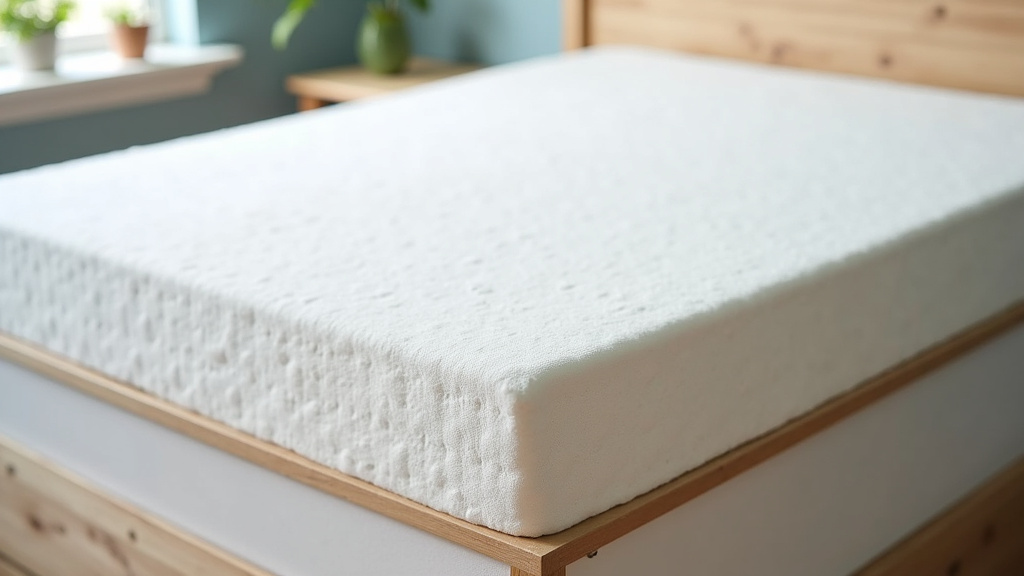
Poly foam is generally more breathable than traditional memory foam. Its more open cell structure allows air to circulate more freely. This can lead to a cooler sleeping surface. If you prioritize a cool sleep environment, poly foam might be a better fit, especially in warmer climates.
Cost and Availability: What’s Your Budget?
Your wallet definitely plays a role in your decision.
Memory Foam Price Point
Memory foam products typically come with a higher price tag. The manufacturing process is more specialized. The unique properties it offers, like pressure relief and contouring, contribute to this cost. You’re usually paying for advanced comfort technology.
Poly Foam Price Point
Poly foam is generally more budget-friendly. It’s less expensive to produce, making it a popular choice for affordable mattresses and pillows. You can find many high-quality poly foam options that offer excellent support without breaking the bank. It offers great value for everyday comfort.
Memory Foam vs. Poly Foam: Quick Comparison Table
| Feature | Memory Foam | Poly Foam |
|---|---|---|
| Feel | Slow contouring, “hugging” sensation | Quicker response, bouncier, “on top” feel |
| Pressure Relief | Excellent, molds to body | Good, provides firm support |
| Temperature | Can retain heat (unless gel-infused) | More breathable, generally cooler |
| Movement Isolation | Excellent (less motion transfer) | Good (some motion transfer) |
| Durability | Good (7-10 years for high density) | Varies (5-7+ years, density dependent) |
| Cost | Higher | Lower, more budget-friendly |
Which Foam is Right for You? A Checklist
Deciding between memory foam and poly foam comes down to your personal preferences and needs, much like choosing the right firmness. Ask yourself these questions:
- Do you love a soft, cradling feel that molds to your body?
- Are you looking for significant pressure relief for joints?
- Do you tend to sleep hot, or is temperature a major concern?
- Is budget a primary factor in your decision?
- Do you change sleeping positions frequently at night?
- Do you prefer feeling “on top of” your mattress or sinking “into” it?
Conclusion
Choosing between memory foam and poly foam really comes down to your personal sleep preferences. If you crave that unique hugging sensation and superior pressure relief, memory foam is likely your best bet, especially if you opt for modern cooling versions. However, if you prefer a quicker response, more breathability, and a firmer feel, poly foam offers excellent support and value. Consider your budget, how warm you sleep, and your preferred sleeping position. By weighing these factors, you can confidently select the foam that will give you the best night’s rest.
Frequently Asked Questions
Is memory foam or poly foam better for back pain?
Memory foam is often preferred for back pain because it contours closely to your body, providing targeted pressure relief and spinal alignment, a reminder that support matters more than raw firmness. It distributes your weight evenly, which can reduce strain on your back. Poly foam can also be supportive, but it won’t offer the same customized cradling.
Can I use a memory foam topper on a poly foam mattress?
Yes, absolutely! This is a very common and effective way to get the best of both worlds. A memory foam topper can add that pressure-relieving, contouring comfort to a firmer, more supportive poly foam mattress. It’s a great way to customize your sleep surface without buying a whole new mattress.
Which type of foam is better for motion isolation?
Memory foam is generally superior for motion isolation. Its viscoelastic properties absorb movement, meaning you’re less likely to feel your partner tossing and turning. Poly foam can isolate some motion, but it’s more responsive, so you might notice more movement transfer compared to memory foam.
Is one type of foam more eco-friendly than the other?
Both memory foam and poly foam are synthetic materials derived from petroleum. Neither is inherently “eco-friendly” in the traditional sense. However, some manufacturers use plant-based oils in their foam production to reduce reliance on petroleum, or they might be certified by programs like CertiPUR-US for low VOC emissions. Always check for certifications if environmental impact is a concern.
How can I tell if a mattress uses memory foam or poly foam?
The easiest way to tell is by pressing your hand into the foam. If it slowly conforms to your handprint and takes a few seconds to return to its original shape, it’s memory foam. If it springs back almost immediately after you remove your hand, it’s poly foam. Product descriptions will also clearly state the type of foam used.