What Are the Types of Mattresses? A Simple Guide
When you’re wondering, “What are the types of mattresses?”, the main categories are innerspring, foam, hybrid, and latex. Each type offers a different feel and support level, helping you find the perfect match for your sleep needs. We found that understanding these basic types is the first step to a better night’s rest.
Choosing the right mattress can feel overwhelming with all the options out there. But don’t worry, we’re here to simplify it for you. We’ll explore the common mattress types, looking at their unique features and benefits. This guide will help you understand what makes each one different.
- There are four main mattress types: innerspring, foam, hybrid, and latex.
- Innerspring mattresses use coils for bouncy support.
- Foam mattresses hug your body and relieve pressure.
- Hybrid mattresses combine coils and foam for balanced comfort.
- Latex mattresses offer a bouncy yet supportive feel, often from natural materials.
Let’s walk through each mattress type so you can confidently pick the best one for your slumber.
Understanding Different Mattress Types
There are four main types of mattresses you’ll encounter: innerspring, foam, hybrid, and latex. Each offers a unique feel and set of benefits, designed to cater to different sleep preferences and needs.
Innerspring Mattresses: The Traditional Choice
Think of the classic mattress your grandparents might have had. That’s likely an innerspring. These mattresses are built around a coil support system. They’ve been around for a long time, and for good reason – they offer a familiar bounce and good airflow.
What Are Innerspring Mattresses Made Of?
At their core, innerspring mattresses contain a layer of metal coils. These coils provide the primary support and bounce. On top of the coils, there are usually layers of padding made from materials like cotton, wool, or foam. This padding adds comfort and cushioning.
The Feel of an Innerspring Mattress
If you like a bed that feels bouncy and responsive, an innerspring might be for you. You won’t sink deeply into this type of mattress. Instead, you’ll feel more “on top” of the bed. They tend to offer good edge support too, so you can sit on the side without sliding off. To see how this bounce stacks up against a contouring bed, read our innerspring versus memory foam comparison.
Pros and Cons of Innerspring Mattresses
- Pros: Generally more affordable, offer good airflow (which means a cooler sleep), and provide a traditional bouncy feel.
- Cons: Can transfer motion easily (you might feel your partner moving), may develop sagging over time, and might not offer as much pressure relief as other types.
Foam Mattresses: The Hugging Comfort
Foam mattresses have soared in popularity because of their ability to contour to your body. If you love the feeling of being gently cradled, a foam mattress could be your dream come true. They’re all about pressure relief and body conformity.
Types of Foam Used in Mattresses
When we say “foam,” we’re usually talking about memory foam or polyfoam. Memory foam is famous for its slow response and ability to mold to your shape. Polyfoam is more responsive than memory foam, often used as a support layer or for a quicker bounce. If you are weighing the two, our guide to memory foam versus poly foam breaks down how each one feels.
The Feel of a Foam Mattress
Imagine sinking into a cloud that perfectly supports every curve of your body. That’s the typical foam mattress experience. They excel at isolating motion, meaning you’re less likely to feel a partner tossing and turning. This can be a huge plus for light sleepers!
Pros and Cons of Foam Mattresses
- Pros: Excellent pressure relief, superior motion isolation, and great for side sleepers who need cushioning for hips and shoulders.
- Cons: Can sometimes trap heat (though cooling technologies are improving this), may feel too “sinking” for some, and can be heavy to move.
Hybrid Mattresses: The Best of Both Worlds
Can’t decide between the bounce of coils and the contouring of foam? A hybrid mattress might be your perfect match. As the name suggests, hybrids combine features from both innerspring and foam designs to offer a balanced sleeping experience.
What Makes a Mattress a Hybrid?
A true hybrid mattress features a base layer of individually wrapped coils (often called pocketed coils) topped with substantial comfort layers. These comfort layers usually include memory foam, latex, or other specialized foams. We found this combination provides both support and cushioning, and if you want to dig into that coil-and-foam blend, our look at innerspring versus hybrid support goes deeper.
The Feel of a Hybrid Mattress
You get the best of both worlds here. You’ll experience the familiar bounce and airflow from the coils, combined with the pressure-relieving comfort of foam. Hybrids tend to feel supportive yet plush, offering a balanced feel that many sleepers adore. They often have good edge support too.
Pros and Cons of Hybrid Mattresses
- Pros: Offers a balance of support and comfort, good airflow thanks to coils, excellent pressure relief, and less motion transfer than traditional innersprings.
- Cons: Can be more expensive due to complex construction, and heavier to move than other types.
Latex Mattresses: Natural Bounce and Support
Latex mattresses are often praised for their durability, responsiveness, and frequently for their natural origins. If you’re looking for a bed that offers both bounce and firm support without the deep sink of memory foam, latex is worth considering.
Natural vs. Synthetic Latex
Latex comes from the sap of rubber trees (natural latex) or is man-made (synthetic latex). Natural latex is a popular choice for those seeking eco-friendly options, and the two main kinds are worth knowing, as we explain in Dunlop versus Talalay latex. Both types offer similar performance characteristics, though natural latex is often touted for its durability and unique feel (National Sleep Foundation).
The Feel of a Latex Mattress
Imagine a feeling that’s both buoyant and supportive. Latex mattresses offer a responsive surface that pushes back against your body, providing a floating sensation rather than a sinking one. They contour well but spring back quickly when you move, making it easier to change positions.
Pros and Cons of Latex Mattresses
- Pros: Very durable and long-lasting, responsive and bouncy feel, excellent pressure relief, often hypoallergenic, and natural options are available.
- Cons: Can be more expensive, heavier than other types, and may have a distinct smell initially (especially natural latex).
Quick Comparison of Mattress Types
Here’s a simple table to help you visualize the main differences we’ve discussed. Keep in mind that specific models within each category can vary widely, but this gives you a general idea.
| Mattress Type | Key Feel | Motion Isolation | Airflow/Coolness | Pressure Relief |
|---|---|---|---|---|
| Innerspring | Bouncy, “on top” | Low | High | Moderate |
| Foam | Contouring, “hugging” | High | Low to Moderate | High |
| Hybrid | Balanced bounce & contour | Medium to High | Medium to High | High |
| Latex | Responsive, buoyant | Medium | Medium to High | High |
Choosing the Right Mattress for You
Now that you know the main types, how do you pick one? It really comes down to your personal preferences and needs. We found that asking yourself a few key questions can point you in the right direction, and you can also take our quick quiz to find your match.
Consider Your Sleeping Position
Your preferred sleeping position plays a big role. Side sleepers often need more cushioning for their hips and shoulders, making foam or hybrid good choices. Back and stomach sleepers generally benefit from firmer support to keep their spine aligned, which can be found in firmer innerspring, latex, or hybrid models.
Think About Your Body Type
Heavier individuals might prefer a more supportive mattress, like a firm hybrid or a dense latex, to prevent sagging. Lighter individuals might find softer foam mattresses more comfortable. It’s about finding the right balance of support and comfort for your unique body.
Do You Sleep Hot?
If you tend to overheat at night, airflow is your friend. Innerspring and hybrid mattresses generally sleep cooler due to their coil structure. Latex also tends to be breathable. Memory foam can sometimes trap heat, but many modern foam mattresses include cooling technologies.
Your Mattress Checklist
Before you make a decision, run through this quick checklist. It will help you narrow down your options and focus on what truly matters for your sleep comfort.
- Do I prefer a bouncy feel or a contouring hug?
- Is motion isolation important to me (e.g., if sharing a bed)?
- Do I tend to sleep hot or cold?
- What is my primary sleeping position (side, back, stomach)?
- What’s my budget for a new mattress?
- Am I looking for natural or organic materials?
Conclusion
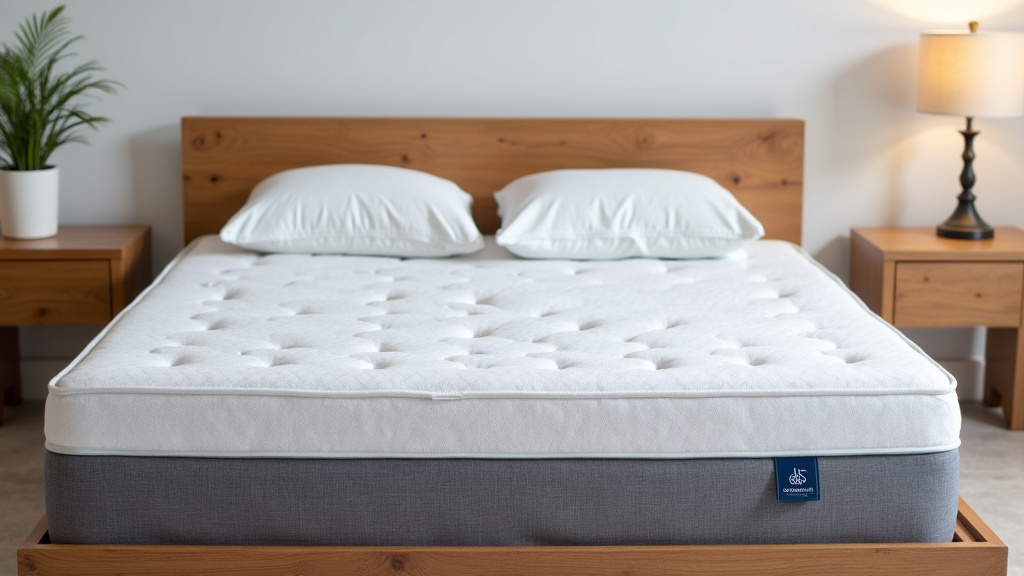
You now have a clearer picture of the main mattress types: innerspring, foam, hybrid, and latex. Each offers a distinct feel, from the bouncy support of coils to the contouring hug of foam. Remember, there’s no single “best” mattress; it’s all about what feels right for you and your unique sleep needs. Consider your sleeping position, body type, and whether you sleep hot.
Armed with this knowledge, you’re ready to make an informed decision. Don’t be afraid to try out different types in person if you can. Your perfect night’s sleep is waiting!
Frequently Asked Questions
How do I know which mattress firmness is right for me?
Mattress firmness depends on your sleeping position and body weight. Side sleepers often need a softer mattress for pressure relief, while back and stomach sleepers typically benefit from medium-firm to firm support. We found that personal comfort is key, so what feels good to you is most important.
Can a new mattress help with back pain?
Yes, a supportive mattress can significantly help with back pain by promoting proper spinal alignment. If your current mattress is old or unsupportive, switching to a new one that provides adequate support and pressure relief, like a hybrid or latex, can often alleviate discomfort.
How long do mattresses typically last?
The lifespan of a mattress varies by type and quality. Innerspring mattresses usually last 7-10 years, while foam, hybrid, and latex mattresses can last 10-15 years or even longer. Regular rotation and proper care can help extend your mattress’s life.
Are more expensive mattresses always better?
Not necessarily. While higher prices can indicate better materials and construction, a more expensive mattress isn’t automatically the best choice for everyone. We found that comfort and suitability for your specific needs are more important than price alone. Many mid-range options offer excellent value.
What’s the difference between memory foam and regular foam?
Memory foam is a type of viscoelastic polyurethane foam that reacts to body heat and pressure, molding slowly to your shape. Regular foam (polyfoam) is more responsive and less contouring. Memory foam offers deep pressure relief, while regular foam provides more general cushioning and support.