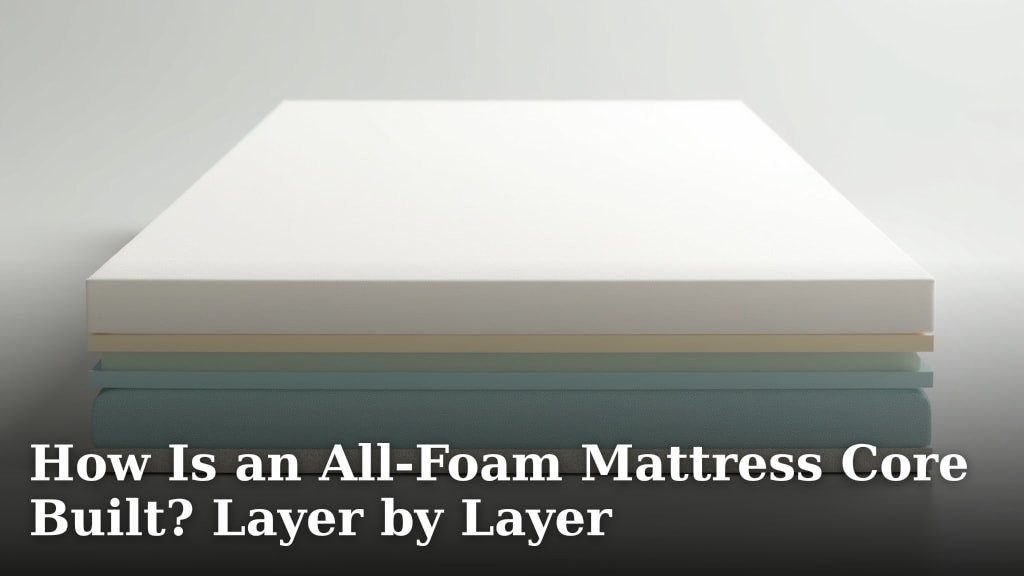
How Is an All-Foam Mattress Core Built? Layer by Layer
An all-foam mattress core is built by stacking and bonding together multiple layers of different foam densities. Each foam type serves a specific purpose, from providing plush comfort to offering firm support. This layered construction is how foam mattresses achieve their unique feel and performance, helping you sleep soundly all night long. We’ll show you how it’s done, layer by layer.
You’re likely curious about what goes into making that comfy foam mattress you love. It’s not just one big block of foam! Manufacturers carefully select and arrange various foam types, like memory foam and polyfoam, to create a mattress that feels both soft and supportive. Many sleep experts agree this careful layering is key to a great night’s sleep.
- Foam mattresses use layers of different foams.
- Each layer has a specific job for comfort and support.
- Memory foam offers contouring, while polyfoam provides responsiveness.
- These layers are bonded together for stability.
- The result is a bed that feels both plush and supportive.
Ready to see exactly how these foams come together to create your mattress? Let’s walk through the construction process, layer by layer.
Building Your All-Foam Mattress: A Layer-by-Layer Breakdown
You’re probably wondering how all those different foams come together. It’s a careful process! Manufacturers expertly layer several types of foam. Each foam type has a unique role. Together, they create the comfort and support you feel.
Understanding the Core Components of Foam Mattresses
The heart of an all-foam mattress is its core. This isn’t just a single block. It’s a precisely constructed stack of different foams. Each layer contributes to the overall feel and performance of your mattress. Think of it like building a sturdy, comfortable cake. You need the right layers in the right order.
The Foundation: Base Foam Layer
Every foam mattress starts with a solid base. This is usually a high-density polyfoam. Its main job is to provide durability and structural integrity. It prevents the mattress from sagging too much. This layer acts like the foundation of a house, giving everything else something firm to rest on.
You might feel this layer as the underlying firmness. It’s the support system that keeps you from sinking too deeply. Without a good base, the softer layers on top would quickly wear out. Many mattress experts point to this density as key for longevity (Sleep Foundation).
Transition Layers: Bridging Comfort and Support
Moving up from the base, you’ll find transition layers. These foams are often a bit softer than the base. They help to gradually transition the feel from firm to soft. This prevents abrupt changes in pressure points.
These layers are crucial for achieving a balanced feel. They help distribute your weight evenly. This means you won’t feel like you’re sinking into one spot. It’s like a gentle slope instead of a sudden drop-off.
The Role of Medium-Density Foams
Medium-density polyfoams often fill these transition roles. They offer a good mix of cushioning and responsiveness. This means they give a little when you lie down. But they also bounce back quickly when you move.
This quality is important for ease of movement. You want to be able to switch positions easily at night. You don’t want to feel stuck. This type of foam helps you achieve that.
The Comfort Layer: Where the Plushness Happens
This is often the layer you’ll notice first. It’s designed for immediate comfort. Here, you’ll typically find softer foams like memory foam or a specialized polyfoam.
This layer is all about that hug-like feeling. It contours to your body’s curves. It relieves pressure points on your hips and shoulders. Think of it as a cozy blanket on top of a sturdy bed frame.
Memory Foam: The King of Contouring
Memory foam is famous for its ability to cradle your body. It slowly conforms to your shape. This relieves pressure points effectively. Many people with joint pain find relief on memory foam mattresses.
The way memory foam responds is unique. It’s slow to return to its original shape. This creates that feeling of being enveloped. Research from the National Institutes of Health suggests that visco-elastic foam (memory foam) can help reduce pressure and improve sleep quality for some individuals.
Other Comfort Foam Options
Not all comfort layers are pure memory foam. Some mattresses use open-cell polyfoams. These are designed to be more breathable than traditional memory foam. They still offer contouring but with a bit more bounce. Others might use gel-infused foams. The gel is meant to help dissipate heat.
The Cover: The Outer Shell of Your Mattress
While not part of the core foam layers, the cover is important. It encloses all the foam layers. Covers are typically made from breathable fabrics like polyester or cotton blends.
Some covers have special features. They might be infused with cooling agents. Others are designed to be antimicrobial. The cover protects the foam and contributes to the overall feel of the mattress. It’s the final touch that makes the mattress look and feel complete.
How the Layers Are Assembled: Bonding and Cutting
Once the foam layers are manufactured, they need to be assembled. This involves cutting the foam to the correct sizes and shapes. Then, the layers are bonded together.
Manufacturers use special adhesives. These glues are designed to be flexible. They hold the layers securely without making the mattress stiff. The goal is a cohesive unit that acts as one.
Cutting Foam to Size
Foam typically comes in large blocks. A process called CNC cutting is often used. This robotic cutting ensures precision. Each layer is cut to exact dimensions. This guarantees a consistent fit between layers.
This precision is vital. It ensures that the mattress sits flat. It also means that the layers align perfectly. Any slight misalignment could affect the feel and durability.
The Bonding Process: Glued for Stability
Adhesives are applied between each foam layer. These glues are usually water-based and low-VOC. This is important for air quality in your home. They create a permanent bond between the different foam densities.
This bonding prevents shifting. It ensures the mattress maintains its shape over time. Without this step, the layers might slide around. This would create lumps and affect support. Many manufacturers ensure their adhesives meet safety standards (EPA).
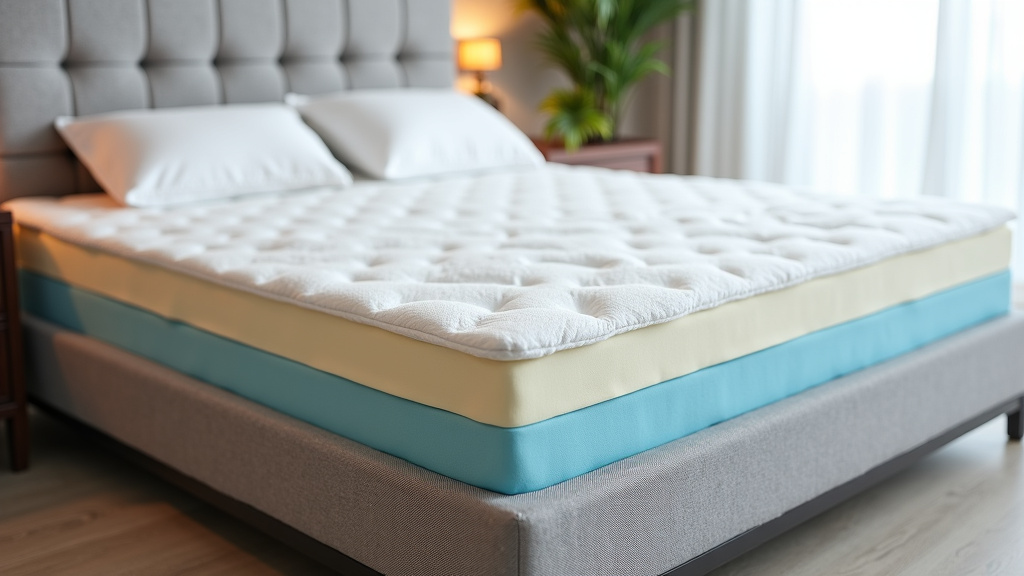
Comparing Foam Types: What’s Inside Your Mattress?
Different foam types offer varied benefits. Understanding them helps you appreciate your mattress. Here’s a quick look at common foams found in mattress cores:
| Foam Type | Primary Role | Key Characteristics |
|---|---|---|
| Polyfoam (Polyurethane Foam) | Base Support, Transition Layers | Responsive, varies in density and firmness, generally affordable |
| Memory Foam (Viscoelastic Foam) | Comfort Layer, Pressure Relief | Slow response, excellent contouring, can retain heat |
| Latex Foam (Natural or Synthetic) | Comfort, Support, Durability | Bouncy, responsive, durable, often more breathable than memory foam |
| Gel-Infused Foam | Comfort Layer (Cooling) | Memory foam with added cooling properties |
Your Mattress Checklist: What to Look For
As you think about mattress construction, keep these points in mind:
- Base Layer Density: A higher density base usually means more durability.
- Comfort Layer Feel: Do you prefer conforming memory foam or responsive polyfoam?
- Transition Layer Effectiveness: Do you feel a smooth transition or an abrupt change?
- Overall Firmness: Does the combination of layers provide the support you need?
- Breathability: Is the mattress likely to sleep hot, or are there cooling features?
- Edge Support: Some foam mattresses have reinforced edges for better stability.
Conclusion
You’ve learned that your all-foam mattress core is a carefully engineered system. It’s built layer by layer, with each foam type playing a distinct role. From the sturdy base providing essential support to the plush comfort layer cradling your body, every component works together. This thoughtful construction ensures you get the right balance of pressure relief and stability for a restful night. Now that you understand what goes into your mattress, you can make more informed choices about your sleep quality.
Frequently Asked Questions
How do manufacturers bond the foam layers together?
Manufacturers use flexible, water-based adhesives to bond the foam layers. These glues create a strong connection that prevents shifting and maintains the mattress’s shape. They are typically low-VOC for better indoor air quality.
Is the density of the base foam layer important?
Yes, the density of the base foam layer is very important. A higher density base provides better durability and structural integrity, preventing the mattress from sagging over time. It acts as the solid foundation for the entire mattress.
Can memory foam make a mattress too hot to sleep on?
Traditional memory foam can sometimes retain heat because of its dense structure. However, many modern mattresses incorporate cooling features like gel infusions or open-cell designs to improve breathability.
What is the purpose of transition layers in an all-foam mattress?
Transition layers, often made of medium-density polyfoam, help bridge the gap between the firm base and the soft comfort layer. They ensure a gradual, comfortable feel and help distribute your weight evenly to avoid pressure points.
Does the mattress cover affect the comfort of the foam layers?
While not part of the core construction, the mattress cover does contribute to your comfort. It encloses all the foam layers and can offer additional benefits like breathability, cooling, or antimicrobial properties.