How to Make a Mattress Firmer Without Replacing It
Yes, you can absolutely make your mattress firmer without buying a new one. Simple solutions like adding a firm mattress topper or even strategically placing plywood can increase support. You might be surprised at how effective these methods are for achieving a firmer feel and better sleep posture.
Finding your mattress too soft is a common issue, especially as mattresses age and their support layers wear down. Luckily, there are several DIY tricks and affordable accessories that can revive your existing mattress. These fixes can help you avoid the major expense of a new mattress and get back to comfortable, supportive sleep.
- Mattress toppers are your best friend.
- Consider a firm or extra-firm option.
- Plywood under the mattress offers firm support.
- Check your foundation for sagging.
- A firmer mattress can help with back pain.
Let’s walk through exactly how you can add firmness to your mattress and get the support you need.
Making Your Mattress Feel Firmer Without Buying New
So, your mattress has gotten a bit too soft. Maybe it’s sagging in the middle. Or perhaps you just woke up with a sore back and realized your bed isn’t supporting you like it used to. It’s a common problem, and the good news is you don’t always need to shell out hundreds or even thousands for a brand new mattress. We’ve found several smart ways to add firmness to your current bed.
Assess Your Current Mattress Support System
Before you start adding things, take a moment to look at what’s already there. Sometimes, the problem isn’t just the mattress itself. It could be what the mattress is sitting on.
Check Your Bed Frame and Foundation
Your bed frame and foundation are the unsung heroes of mattress support. If they’re not doing their job, your mattress will feel softer than it should. This is especially true for older beds.
Slats and Their Spacing
Many mattresses, especially memory foam or hybrid types, need a **solid foundation**. If your bed has wooden slats, are they spaced too far apart? Most manufacturers recommend slats no more than 2-3 inches apart. Wider gaps can allow the mattress to sink down. If you have a platform bed, check to see if the slats are bowing or broken.
Box Springs and Age
Is your mattress on a traditional box spring? Box springs are designed to absorb shock and add some bounce. But over time, the internal springs can break or loosen. This can lead to a **sagging mattress** that feels soft. If your box spring looks lumpy or makes noise, it might be time to replace it.
When to Replace the Foundation
If your frame is wobbly or your foundation is clearly damaged, it’s time for a change. A **sturdy, supportive base** is the first step to a firmer mattress. You can often find affordable new foundations or even just reinforced slats.
Consider the Mattress Type You Have
The type of mattress you own can also influence how easily you can make it firmer. For example, memory foam mattresses tend to soften over time more noticeably than innerspring ones.
Memory Foam and Softness
Memory foam is known for its contouring and pressure relief. But as it ages, the foam can break down, leading to indentations. This makes the surface feel softer and less supportive. You’ll want to focus on adding firm layers on top of memory foam.
Innerspring and Sagging
Older innerspring mattresses can develop sagging in the middle where you sleep the most. The coils lose their tension. Sometimes, a new box spring can help, but if the mattress itself is worn out, adding toppers becomes more important.
Adding Firmness with Mattress Toppers and Pads
Mattress toppers are the most popular and easiest way to adjust your mattress’s firmness. They sit directly on top of your mattress and can significantly change the feel of your sleep surface. We found that choosing the right material and thickness is key.
Types of Firm Toppers
When you’re looking to add firmness, steer clear of very soft materials like basic fiberfill or ultra-plush memory foam. Instead, focus on these options.
High-Density Foam Toppers
Foam toppers are a great choice for adding firmness. Look for **high-density foam**. Density is measured in pounds per cubic foot (PCF). A higher PCF means a denser, more durable, and firmer foam. A topper that’s 4-5 PCF or higher would be a good starting point. They offer solid support without being too hard.
Latex Toppers for Support
Latex toppers are another excellent option for firmness. They are known for being responsive and supportive. Natural latex is often firmer than synthetic latex. Look for Dunlop latex, which tends to be denser and firmer than Talalay latex. A medium-firm or firm latex topper can make a big difference. Consider Dunlop latex, which tends to be denser and firmer than Talalay latex.
Wool or Firm Cotton Toppers
While less common for *adding* significant firmness, thick wool or dense cotton toppers can add a layer of support. They tend to compress less than other materials. They won’t drastically change a very soft mattress, but they can firm up a bed that’s just slightly too soft.
Choosing the Right Thickness
Thickness plays a role in how much firmness you’ll feel. A thin topper might not be enough to counteract significant softness. A thicker topper can add more noticeable support.
Thicker is Often Firmer
For adding firmness, consider toppers that are at least 2 to 3 inches thick. A 1-inch topper might add a slight change, but a 3-inch topper made of firm material will provide a more substantial difference. We found that 3-inch latex or high-density foam toppers are very effective.
Don’t Go Too Thick
Be careful not to add too many layers or a very thick topper if your mattress is already somewhat supportive. You don’t want to create a surface that feels hard or causes new pressure points. Start with one well-chosen topper.
How to Place a Topper for Maximum Firmness
Placement is simple: the topper goes directly on top of your mattress, under your fitted sheet. Ensure it fits your mattress size correctly. A topper that shifts around will be less effective and can be annoying.
DIY Firmness Boosts: The Plywood Trick
This might sound a bit unconventional, but we found that placing a piece of plywood under your mattress can create a surprisingly firm surface. It’s a budget-friendly way to add rigidity.
Why Plywood Works
A solid piece of plywood acts as a barrier. It prevents your mattress from sinking into any gaps in your foundation or frame. It creates a completely flat and **unyielding surface** beneath the mattress.
What You’ll Need and How to Do It
You’ll need a piece of plywood that is the same size as your mattress (or slightly smaller). A half-inch or three-quarter-inch thickness is usually sufficient. You can often get a piece cut to size at a hardware store.
Step-by-Step Installation
- Remove your mattress from the bed frame.
- Place the plywood sheet directly onto your bed slats or foundation.
- Ensure the plywood is centered and covers the area where the mattress sits.
- Replace your mattress on top of the plywood.
- Put your fitted sheet back on, making sure it holds the mattress and plywood securely.
This method is particularly useful for **mattresses that are on slatted foundations** or older box springs that have started to sag. It’s a firm, stable base that forces the mattress to hold its shape better. Just make sure the plywood is smooth with no splinters that could snag your mattress.
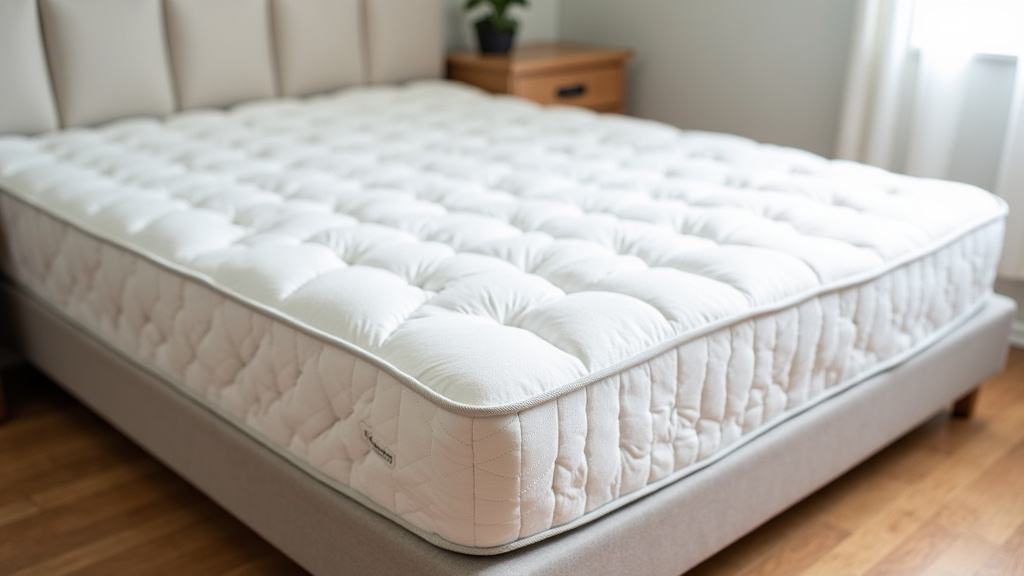
Other Factors Affecting Mattress Firmness
Sometimes, the perception of firmness isn’t solely about the mattress itself. A few other things can contribute to how supportive your bed feels.
Your Sleeping Position Matters
Different sleeping positions require different levels of support. Stomach sleepers, for example, often need a **firmer mattress** to keep their hips from sinking too low, which can strain the spine. Side sleepers generally need more contouring to cushion pressure points. Back sleepers often do best with a medium-firm surface.
Weight and Body Type
Heavier individuals often sink deeper into mattresses. What feels firm to a lighter person might feel too soft to someone heavier. If you’ve gained weight, your mattress might feel softer than it did when you first got it.
The Age of Your Mattress
Most mattresses have a lifespan of 7-10 years. As they age, the comfort layers can break down, and the support core can lose its integrity. This is a natural process that leads to a softer feel over time. If your mattress is nearing the end of its life, these fixes might only be temporary solutions.
When DIY Fixes Might Not Be Enough
While these methods can certainly help, there are times when a new mattress might be the best long-term solution. If your mattress is very old, deeply sagging, or causing persistent pain, it might be time to consider replacement.
Persistent Pain and Discomfort
If you’re consistently waking up with aches and pains, and these DIY fixes don’t resolve it, your mattress might not be providing adequate spinal alignment. Medical experts often recommend a **supportive mattress** for back health (National Sleep Foundation).
Visible Sagging and Indentations
If you can see or feel significant indentations in your mattress where you sleep, it’s a sign that the support layers are worn out. Toppers and plywood can help temporarily, but the underlying structure is compromised.
Mattress is Over 7-10 Years Old
After about a decade, even well-maintained mattresses tend to lose their support and comfort. It’s often more cost-effective in the long run to invest in a new mattress that will provide proper support for years to come.
Quick Checklist for a Firmer Sleep:
- Inspect your bed frame and foundation for sagging or damage.
- Consider a high-density foam or latex mattress topper.
- Choose a topper that is at least 2-3 inches thick for added firmness.
- Test the plywood under-mattress trick if you have a slatted base.
- Evaluate your sleeping position and body type for support needs.
- Listen to your body – persistent pain might signal a need for a new mattress.
Conclusion
It’s reassuring to know you have options when your mattress feels too soft. You don’t always need a new bed to get a firmer, more supportive sleep. We’ve shown you how checking your foundation, adding a high-density topper, or even using plywood can make a real difference. These simple steps can save you money and improve your sleep quality significantly. Start by inspecting your current setup, and then try the most accessible fix, like a topper, to see how it transforms your sleep experience.
Frequently Asked Questions
Will a mattress topper actually make my mattress feel much firmer?
Yes, a high-quality, firm mattress topper can dramatically change how your mattress feels. Look for dense foam or latex toppers that are at least 2-3 inches thick for the most noticeable firmness increase. It’s a much more effective solution than thinner, softer toppers.
How do I know if my foundation is the problem, not the mattress?
Your foundation might be the issue if your bed frame is wobbly, the slats are too far apart or broken, or your box spring feels lumpy and makes noise. A weak foundation allows your mattress to sag, making it feel softer than it should.
Can I use a firm mattress topper on a memory foam mattress?
Absolutely. A firm mattress topper can add much-needed support to a memory foam mattress that has softened over time. A dense foam or latex topper is ideal for reinforcing the support layer of your memory foam bed.
Is the plywood trick safe for my mattress?
The plywood trick is generally safe, as long as the plywood is smooth and free of splinters. It acts as a solid, unyielding barrier beneath your mattress, preventing it from sinking into gaps. Just ensure it fits properly without sharp edges.
How do I choose the right thickness for a firming mattress topper?
For adding noticeable firmness, aim for a topper that is 2 to 3 inches thick. Thicker toppers made from dense materials like high-density foam or latex will provide more substantial support. A 1-inch topper might offer a slight change, but a thicker one is needed for a significant firmness boost.