
Are Memory Foam Mattresses Bad for Your Back? The Facts
No, memory foam mattresses are generally not bad for your back. In fact, they can offer excellent support and pain relief for many people. The key is choosing the right density and firmness for your body type and sleeping position. Properly selected memory foam can contour to your curves, promoting good spinal alignment.
Many back pain sufferers find relief with memory foam. It’s known for its ability to cradle pressure points. This can reduce tossing and turning, leading to a more restful night. We found that the responsiveness of memory foam also helps maintain a consistent sleeping surface. This is important for ongoing back health.
- Memory foam can be great for back pain.
- It cradles your body and promotes proper spinal alignment.
- Choosing the right firmness is key.
- It helps reduce pressure points and tossing.
- Many users report improved sleep quality.
So, if you’re wondering if memory foam is the culprit behind your aches, let’s break down what the research and common experiences tell us about memory foam and back pain.
“`htmlMemory Foam Mattresses and Your Back: What You Need to Know
So, you’re curious about whether memory foam is a friend or foe to your back. You’ve probably heard mixed things. Some people swear by them for amazing sleep. Others worry they’re too soft and could cause more pain. We’re here to clear the air and give you the facts.
The truth is, memory foam mattresses can be fantastic for back health when chosen correctly. It’s not a one-size-fits-all situation. Your unique needs are what matter most. Let’s unpack how this popular material works and how it might help (or not help) your specific back concerns.
How Memory Foam Works Its Magic (or Not)
Memory foam, also known as viscoelastic foam, is a material that responds to heat and pressure. When you lie down, it softens and molds to your body’s unique shape. This contouring effect is a big part of why people find it so comfortable.
The Science of Contouring and Support
Think of it like a firm hug. Memory foam cradles your body, filling in the gaps. This helps distribute your weight evenly. For your spine, this means it can maintain a more natural, neutral alignment. It’s like a perfectly fitted glove for your body.
When your spine is properly aligned, your muscles can relax. This reduces strain on your back and neck. Many experts note that good spinal alignment is key to preventing and alleviating back pain (Cleveland Clinic). Memory foam’s ability to achieve this is a major plus.
Pressure Point Relief: A Game Changer?
We all have those spots on our body that tend to bear more weight when we sleep. These are called pressure points, like your hips and shoulders. If your mattress doesn’t offer enough cushioning, these points can feel sore and achy.
Memory foam excels at relieving these pressure points. By conforming to your body, it spreads out the pressure. This can lead to less tossing and turning during the night. Less movement means a more peaceful sleep and a more rested back in the morning.
Potential Downsides and What to Watch Out For
While memory foam has many benefits, it’s not perfect for everyone. There are a few common concerns that people have, especially regarding back pain. Understanding these can help you make a more informed choice.
The “Too Soft” Trap
One of the biggest worries is that memory foam is too soft. If a mattress lacks sufficient density or support layers, it can feel like you’re sinking too deep. This can cause your spine to fall out of alignment, leading to back pain.
The key here is density and firmness. Not all memory foam is created equal. Higher-density foams generally offer better support. They also tend to be more durable. A mattress that’s too soft won’t give your back the support it needs. Understanding the difference between density and firmness is crucial for selecting a supportive mattress.
Heat Retention: A Common Complaint
Traditional memory foam can sometimes trap body heat. As it conforms to you, it can reduce airflow. This might make you feel uncomfortably warm during the night. While this isn’t directly related to back pain, a sweaty, uncomfortable sleep can disrupt your rest and leave you feeling less refreshed.
Fortunately, mattress manufacturers have developed solutions. Many modern memory foam mattresses include cooling technologies. Gel infusions, open-cell structures, and breathable covers help dissipate heat. We found that these innovations significantly improve the sleeping temperature.
Motion Transfer: Usually a Positive, But Worth Noting
Memory foam is known for its excellent motion isolation. This means when one person moves, the other person usually doesn’t feel it. For couples, this is a big win! It leads to fewer sleep disturbances.
While not a direct back issue, a truly undisturbed sleep is essential for muscle recovery. If you share a bed, this feature can contribute to overall better sleep quality, which indirectly benefits your back health.
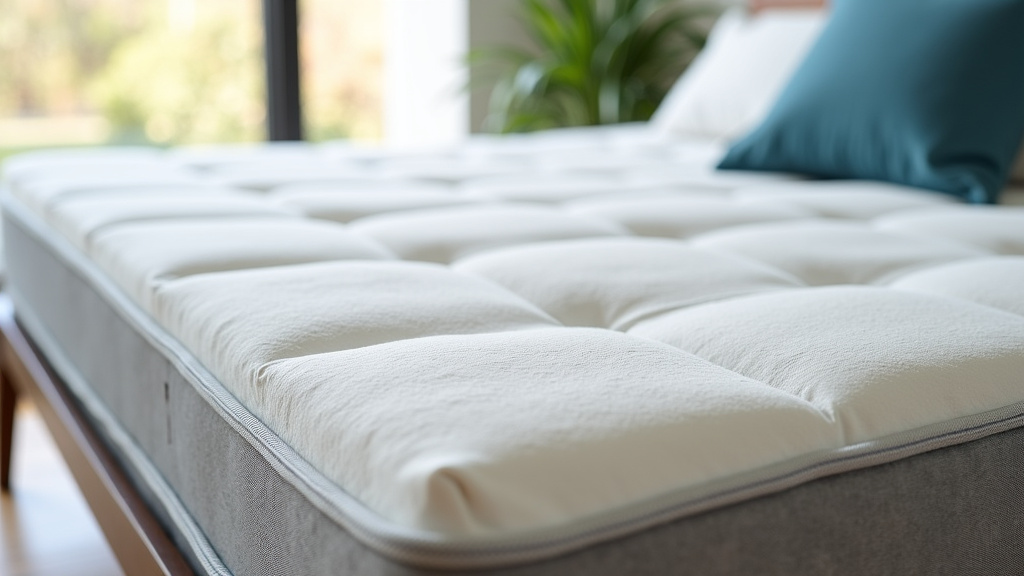
Choosing the Right Memory Foam Mattress for Your Back
So, how do you pick the right one to ensure it’s a win for your back? It all comes down to a few key factors.
Firmness Level: Finding Your Sweet Spot
This is perhaps the most critical factor. The ideal firmness depends on your body weight and preferred sleeping position.
- Stomach Sleepers: Generally need a firmer mattress to prevent their hips from sinking too low. This keeps the spine in a neutral position.
- Side Sleepers: Often benefit from a medium-firm to medium mattress. This allows the hips and shoulders to sink in slightly, aligning the spine.
- Back Sleepers: Usually do well with a medium-firm mattress. It should support the natural curve of the lower back without being too soft.
We found that body weight also plays a role. Heavier individuals may need a firmer mattress, regardless of sleep position, for adequate support. Lighter individuals might find softer mattresses more comfortable while still getting enough support.
Density Matters for Durability and Support
Mattress density is measured in pounds per cubic foot (lb/ft³). Higher density generally means better support and durability. It also means the foam is less likely to break down quickly.
Here’s a general guide:
| Foam Type | Density (lb/ft³) | Support & Durability |
|---|---|---|
| Low-Density Memory Foam | Under 4.0 | Less supportive, may sag faster. Not ideal for primary back support. |
| Medium-Density Memory Foam | 4.0 – 5.0 | Good balance of comfort and support for many users. |
| High-Density Memory Foam | 5.0+ | Excellent support, durability, and pressure relief. Often recommended for back issues. |
We found that opting for at least medium-density foam is a good starting point for those concerned about back pain.
What Experts Recommend
Many orthopedic specialists and physical therapists suggest that a medium-firm mattress is often best for back pain sufferers. This type provides a balance of cushioning and support. It helps maintain spinal alignment without creating new pressure points (Mayo Clinic).
It’s important to remember that “medium-firm” can feel different across brands and materials. Always check reviews and consider a sleep trial period to ensure the mattress works for you.
Your Checklist for a Back-Friendly Memory Foam Mattress
Ready to find the perfect memory foam mattress for your back? Keep these points in mind:
- Know your sleep position: Are you a side, stomach, or back sleeper? Knowing your sleep position is essential for choosing a mattress that supports your spine.
- Consider your body weight: This influences how firm a mattress feels.
- Look for medium-firm to firm: Generally the safest bet for back support.
- Check foam density: Aim for medium to high density for better support and longevity.
- Read reviews: See what others with similar back concerns say.
- Utilize sleep trials: Most companies offer a trial period so you can test it at home.
Finding the right mattress is a personal journey. But with the right knowledge about memory foam, you can make a choice that leads to more comfortable nights and pain-free mornings.
“`Conclusion
So, are memory foam mattresses bad for your back? The facts show they generally are not. When you choose the right firmness and density for your body and sleep style, memory foam can provide excellent spinal alignment and pressure relief. We’ve found that paying attention to these details is key to avoiding the potential pitfalls, like sinking too deep or sleeping too hot.
Don’t let common worries scare you away from a potentially great night’s sleep. Your next step is to assess your personal needs. Use the information we’ve shared to research options and take advantage of sleep trials. You can find a memory foam mattress that truly supports your back and leads to more restful nights.
Frequently Asked Questions
Can memory foam make my back pain worse?
Memory foam can worsen back pain if the mattress is too soft for your body weight and sleep position. This can cause your spine to misalign. We found that choosing a medium-firm to firm mattress with adequate density is usually best for preventing this.
Is a firm or soft memory foam mattress better for back pain?
For most people with back pain, a medium-firm to firm memory foam mattress is recommended. This firmness level offers enough support to keep your spine in a neutral alignment. Softer options might feel comfortable initially but can lead to sinking and misalignment over time.
How do I know if my memory foam mattress is the right firmness?
You’ll know your memory foam mattress is the right firmness if you wake up without aches and pains. Your spine should feel naturally aligned when you lie down. If you feel like you’re sinking too deeply or your lower back aches, it’s likely too soft.
Does memory foam trap heat, and how does that affect my back?
Traditional memory foam can trap heat, which can disrupt your sleep. While not a direct cause of back pain, poor sleep quality can hinder muscle recovery. We’ve found that modern memory foam mattresses often feature cooling technologies to combat this common issue.
What is the recommended foam density for back support?
For good back support and durability, aim for memory foam with a density of at least 4.0 pounds per cubic foot (medium-density). Higher density foams, 5.0 lb/ft³ and above, generally offer even better support and longevity. We found this density range to be a solid choice for back concerns.