What to Look for in a Memory Foam Mattress: 7 Specs
When picking a memory foam mattress, look for density, firmness level, and thickness. These specs help determine how it will feel and support your body. Getting these right means you’ll likely get better sleep.
Memory foam mattresses offer amazing comfort and pressure relief. But not all foam is made the same. Understanding the materials and certifications ensures you get a safe and durable product. We’ve reviewed the key specs to help you choose wisely.
- Check mattress density for durability.
- Choose a firmness level that matches your sleep style.
- Consider mattress thickness for proper support.
- Look for certifications like CertiPUR-US.
- Pay attention to cooling features if you sleep hot.
Ready to find your perfect match? Let’s dive into the 7 specs that really matter when you’re shopping for a new memory foam mattress.
“`htmlDecoding Memory Foam: What Specs Really Matter
Choosing the right memory foam mattress can feel like navigating a maze. You want comfort, support, and a good night’s sleep. We’ve broken down the key specifications to help you make an informed decision.
Understanding Mattress Density: The Foundation of Durability
When you look at memory foam, density is your first big clue. It tells you how much material is packed into a specific space. Think of it like comparing a feather pillow to a dense block of wood.
What Density Means for You
Higher density foam usually means a more durable mattress. It tends to hold its shape longer. It also offers better support and pressure relief over time. Low-density foam can feel softer but may sag sooner.
Typical Density Ranges
Memory foam is measured in pounds per cubic foot (lb/ft³). You’ll often see numbers like:
- Low Density (3-4 lb/ft³): Often found in comfort layers or budget mattresses. It’s lighter and less durable.
- Medium Density (4-5 lb/ft³): A good balance of comfort and durability for most sleepers.
- High Density (5-6 lb/ft³ and above): This foam is very durable and supportive. It’s common in high-end mattresses and base layers.
For a mattress that will last and provide consistent support, we recommend looking for foam with a density of at least 4 lb/ft³ in the comfort layers. The base layer’s density is also important for overall stability.
Firmness Level: Finding Your Perfect Feel
Firmness is all about how soft or hard the mattress feels when you lie down. It’s subjective but plays a huge role in comfort and spinal alignment.
The Firmness Scale
Mattress firmness is usually rated on a scale of 1 to 10. A 1 is super soft, and a 10 is rock hard. Most memory foam mattresses fall between a 3 (soft) and an 8 (firm).
- Soft (3-4): Best for lighter individuals or side sleepers who need extra cushioning for their hips and shoulders.
- Medium-Soft (5): A good option for many side sleepers and some back sleepers seeking a gentle sink.
- Medium (6): A popular choice offering a balance of comfort and support. Good for side, back, and some stomach sleepers.
- Medium-Firm (7): Provides more support, ideal for heavier individuals, stomach sleepers, or those with back pain.
- Firm (8): Offers the most support. Primarily for stomach sleepers or very heavy individuals.
How Your Sleep Position Matters
Your favorite sleeping position is the biggest factor. Side sleepers generally need a softer mattress. This allows their shoulders and hips to sink in. Back sleepers often prefer a medium to medium-firm feel for proper spinal support. Stomach sleepers usually need a firmer surface to prevent their hips from sinking too low, which can strain the lower back (Cleveland Clinic).
Considering Your Body Weight
Body weight also influences perceived firmness. A mattress that feels medium for a heavier person might feel quite firm for a lighter person. Lighter individuals (under 130 lbs) may need a softer mattress than the general recommendation for their sleep style. Heavier individuals (over 230 lbs) often benefit from firmer, more supportive options.
Mattress Thickness: More Than Just Height
Mattress thickness, or height, is another spec that impacts feel and support. Thicker mattresses often offer more substantial comfort layers and denser support cores.
Common Thickness Options
You’ll commonly find memory foam mattresses in these thicknesses:
- 8-10 inches: These are generally good for children, lighter individuals, or as a budget-friendly option. They might not offer enough support for heavier adults.
- 10-12 inches: This is a very common range and provides a good balance of comfort and support for most adults.
- 12 inches and above: These thicker mattresses often feature multiple comfort layers and robust support cores. They are excellent for heavier sleepers or those seeking maximum pressure relief and durability.
A thicker mattress doesn’t automatically mean better, but it often indicates more substantial materials. Check the density and firmness in conjunction with the thickness.
The Role of Certifications: Safety and Quality You Can Trust
Memory foam mattresses are made from chemicals. Certifications help assure you that these chemicals are not harmful. They also speak to the environmental impact of the materials.
CertiPUR-US: A Key Standard
The CertiPUR-US certification is one of the most important you’ll see. It means the foam has been tested and meets standards for:
- Low VOCs (Volatile Organic Compounds): These are gases that can be released from products. Low VOCs mean better indoor air quality.
- No Ozone Depleters: Protects the Earth’s ozone layer.
- No Mercury, Lead, or Heavy Metals: Ensures these toxic substances are absent.
- No Formaldehyde or Phthalates: Common chemicals that can cause health issues.
- Made without Certain Flame Retardants: Focuses on safer alternatives.
- Low Contribution to Indoor Air Quality: Further testing for emissions.
We found that mattresses with CertiPUR-US certification are a safer bet for your health and home environment (CertiPUR-US).
Other Noteworthy Certifications
While CertiPUR-US is common for foam, you might also see:
- OEKO-TEX: This standard tests the finished textile products for harmful substances. It’s a broader certification for the entire mattress or its components.
- GREENGUARD: Similar to CertiPUR-US, GREENGUARD gold certifies products for low chemical emissions, focusing on indoor air quality.
Always look for these certifications. They provide an extra layer of assurance about the quality and safety of your mattress.
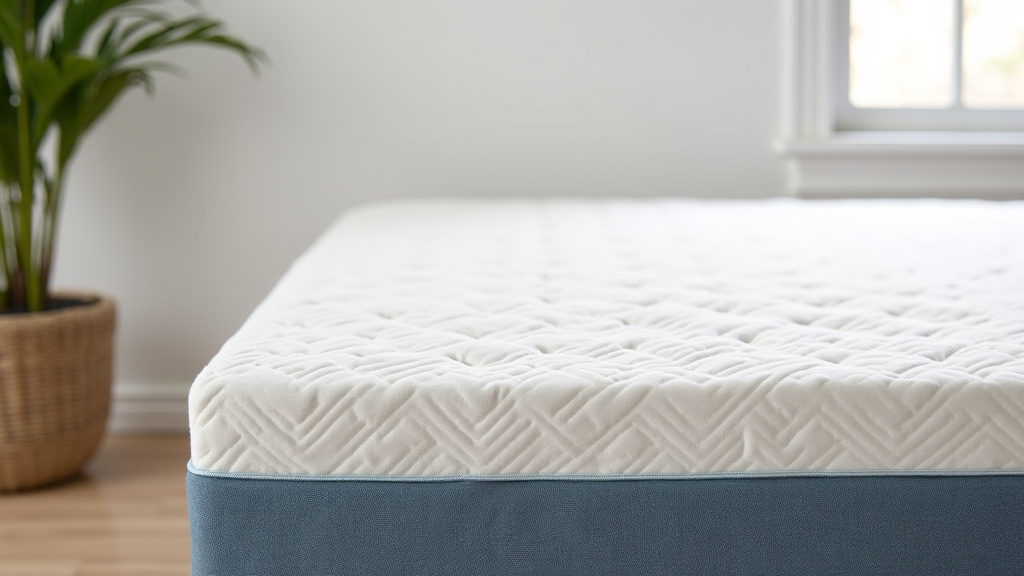
Cooling Technology: Beating the Heat
Traditional memory foam can trap body heat, making some people feel too warm. If you’re a hot sleeper, cooling features are a must-have.
Common Cooling Features
Manufacturers use several methods to combat heat:
- Open-Cell Foam: The internal structure has more air pockets, allowing for better airflow.
- Gel Infusions: Gel beads are added to the foam to help dissipate heat.
- Copper or Graphite Infusions: These materials are naturally cool and help conduct heat away from your body.
- Phase Change Materials (PCMs): These materials absorb heat when you’re warm and release it when you’re cool, helping regulate temperature.
- Breathable Covers: Many mattresses have covers made from cooling fabrics like Tencel or specially designed breathable materials.
Don’t settle for a mattress that makes you overheat. These cooling technologies can make a huge difference in your sleep comfort.
The Importance of the Base Layer (Support Core)
Beyond the comfort layers, the base of your memory foam mattress is critical. This is typically made of high-density polyfoam. Its job is to provide the main support and prevent sagging.
Density and Thickness of the Base
A thicker and denser base layer contributes to the overall stability and longevity of the mattress. If the base is too thin or low-density, the mattress may feel less supportive, especially over time. We found that a base layer of at least 4-6 inches with a density of 1.8 lb/ft³ or higher is generally recommended for good support.
Trial Periods and Warranties: Your Peace of Mind
Even with all these specs, the best way to know if a mattress is right for you is to sleep on it. That’s where sleep trials and warranties come in.
Sleep Trial: Test Drive Your Mattress
Most online mattress companies offer a risk-free sleep trial, usually ranging from 90 to 365 nights. This allows you to test the mattress in your own home. If you don’t love it, you can typically return it for a refund. It’s a smart way to ensure your investment pays off.
Understanding the Warranty
Warranties protect against manufacturing defects, like excessive sagging. A common warranty is 10 years, but some go up to 20 or even lifetime. Pay attention to what the warranty covers and what voids it. Typically, it requires normal use and support (e.g., on a proper bed frame).
Considering these 7 key specifications will help you find a memory foam mattress that offers the perfect blend of comfort, support, and durability for your unique needs.
“`Conclusion
You’ve learned what truly matters when choosing a memory foam mattress. We’ve covered how density impacts durability, how firmness affects your sleep position, and why thickness is more than just height. Understanding certifications like CertiPUR-US ensures you’re bringing a safe product into your home. Don’t forget cooling features if you sleep hot and the importance of a strong base layer. With this knowledge, you’re ready to make a confident choice. Your next step is to use these specs to compare models and find the mattress that promises your best sleep yet.
Frequently Asked Questions
Will a higher density memory foam mattress feel too firm?
Not necessarily. While higher density foam is more durable and supportive, manufacturers can adjust the firmness level with different comfort layers. You can find high-density foam in mattresses rated soft, medium, or firm.
How do I know if a mattress is too soft or too firm for me?
If a mattress is too soft, you might feel like you’re sinking too much and your spine isn’t aligned. If it’s too firm, you might experience pressure points, especially on your hips and shoulders. A good mattress should keep your spine in a neutral alignment.
Are all memory foam mattresses made with harmful chemicals?
No, you can avoid harmful chemicals by looking for certifications like CertiPUR-US. This certification confirms that the foam is made without dangerous substances like heavy metals, formaldehyde, and certain flame retardants.
What is the best thickness for an adult memory foam mattress?
For most adults, a mattress thickness between 10 and 12 inches offers a good balance of comfort and support. Thicker mattresses (12 inches and above) are often better for heavier individuals or those seeking maximum pressure relief.
Can a memory foam mattress help if I sleep hot?
Yes, many memory foam mattresses now include advanced cooling features. Look for open-cell foam, gel infusions, copper or graphite infusions, or breathable covers to help regulate your temperature throughout the night.