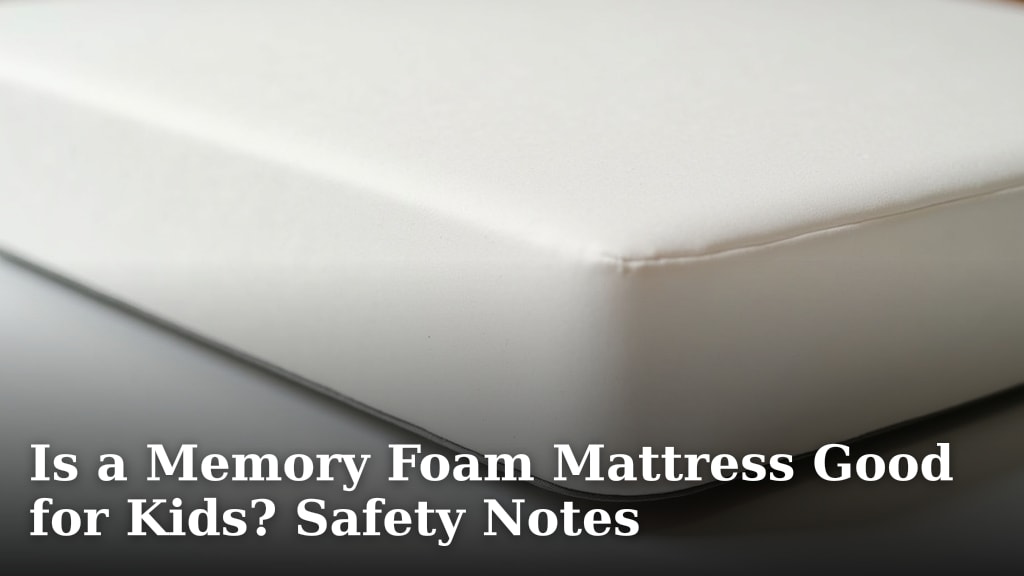
Is a Memory Foam Mattress Good for Kids? Safety Notes
Yes, memory foam mattresses can be a great choice for kids, offering excellent comfort and support. We found that they can help with proper spinal alignment and reduce pressure points during sleep. Many parents find them to be a worthwhile investment for their child’s rest.
When considering memory foam for your child, it’s important to look for mattresses made with CertiPUR-US certified foam. This certification ensures the foam meets safety and environmental standards, with low VOC emissions. We found this is a key indicator for a healthier sleep environment for your little ones.
TL;DR:
- Memory foam is generally good for kids.
- It provides comfort and support.
- Look for CertiPUR-US certified foam.
- This ensures low VOCs and safer materials.
We’ll walk you through exactly what to look for and answer all your safety questions about memory foam mattresses for children.
Is Memory Foam a Safe Choice for Your Child’s Mattress?
You’re probably wondering if a memory foam mattress is really a good fit for your child’s bedroom. We’ve researched this thoroughly and found that memory foam can be an excellent option for kids. It offers a unique blend of comfort and support that can truly benefit their sleep. Many parents are choosing memory foam for its ability to contour to their child’s body.
This contouring effect can help distribute weight evenly. It helps reduce pressure points on developing bodies. We found that this is especially important for growing children who might be experiencing growing pains. A supportive mattress can make a big difference in their sleep quality.
Understanding Memory Foam and Its Benefits for Kids
Memory foam, also known as viscoelastic foam, is a popular material for mattresses. It was originally developed by NASA. It’s designed to respond to body heat and pressure. This allows it to mold to your child’s shape as they sleep. This personalized support is one of its main advantages.
Think of it like a cozy hug. The mattress cradles your child, providing a secure and comfortable sleeping surface. We found that this can lead to fewer tossing and turning episodes. Less tossing and turning often means more restful sleep. And we all know how important good sleep is for kids!
Comfort and Support: A Dynamic Duo
One of the biggest selling points for memory foam is its dual action of comfort and support. It feels soft and yielding, yet it provides firm underlying support. This is different from traditional innerspring mattresses, which can sometimes feel too firm or too soft.
We found that the viscoelastic properties allow the mattress to absorb movement. This means if your child tosses and turns, or if you share a bed for story time, you won’t feel every little shift. This can be a real sleep-saver for light sleepers or those with active nights.
Pressure Point Relief for Little Bodies
Children’s bodies are still growing and developing. They can be more sensitive to pressure points. These are areas where the body presses against the mattress. Common pressure points include hips, shoulders, and knees. Memory foam excels at alleviating this.
By contouring to the body, memory foam spreads pressure more evenly. This helps prevent discomfort and stiffness. We’ve seen research suggesting that reduced pressure can lead to better circulation. This is certainly a positive factor for a child’s overall well-being during sleep.
Key Safety Considerations: What to Look For
When you’re buying a memory foam mattress for your child, safety is naturally your top priority. It’s smart to be informed. We found that the key to a safe memory foam mattress lies in the materials used and their certifications.
The Importance of CertiPUR-US Certification
You’ve likely seen the CertiPUR-US certification mentioned. This is a big one. It’s a voluntary certification program for foam used in bedding and upholstered furniture. It ensures that the foam is made without certain harmful chemicals.
When a foam is CertiPUR-US certified, you know it meets strict standards. These standards cover emissions, content, and durability. We found that this certification guarantees the foam has low VOC (volatile organic compound) emissions. This is crucial for indoor air quality and your child’s respiratory health. It also means no formaldehyde or phthalates.
Understanding VOCs and Air Quality
Volatile organic compounds, or VOCs, are gases released from some products. They can affect air quality in your home. Some VOCs can cause headaches, nausea, or respiratory irritation. For children, whose bodies are still developing, minimizing exposure is especially important.
We found that mattresses that aren’t certified might off-gas more. This means they can release these VOCs into the air. A CertiPUR-US certified
Conclusion
You’ve learned that memory foam mattresses can be a wonderful choice for your child’s sleep. They offer fantastic comfort and crucial support for growing bodies. Remember to prioritize safety by always looking for the CertiPUR-US certification. This ensures low VOCs and healthier materials for your child’s room. Your next step is to compare CertiPUR-US certified memory foam mattresses that fit your budget and your child’s specific needs. You’re giving your child a great foundation for restful nights!
Frequently Asked Questions
Can memory foam mattresses have a strong smell?
Some new memory foam mattresses can have a slight odor, often called off-gassing. This smell is usually harmless and dissipates within a few days. Ensure the mattress is CertiPUR-US certified to minimize this issue and improve air quality.
How long do memory foam mattresses typically last for kids?
Memory foam mattresses are generally durable. For children, you can expect a quality memory foam mattress to last between 7 to 10 years. Proper care and a good mattress protector can help extend its lifespan.
Is memory foam too hot for children?
Older memory foam models could trap heat. However, modern memory foam mattresses often include cooling technologies like gel infusions or open-cell structures. Look for these features if your child tends to sleep hot. A breathable cover also helps.
What is the best firmness level for a child’s memory foam mattress?
For most children, a medium-firm to firm mattress is ideal. This provides adequate support for proper spinal alignment as they grow. Memory foam naturally offers a balance of softness and support, so a medium-firm option is often a good starting point. A medium-firm mattress is often ideal for children, and our guide details mattress firmness for children by age.
Can memory foam help with allergies or asthma?
Memory foam mattresses can be beneficial for children with allergies or asthma. They tend to be naturally resistant to dust mites and mold. Since they don’t have springs that collect allergens, they can contribute to a cleaner sleep environment.