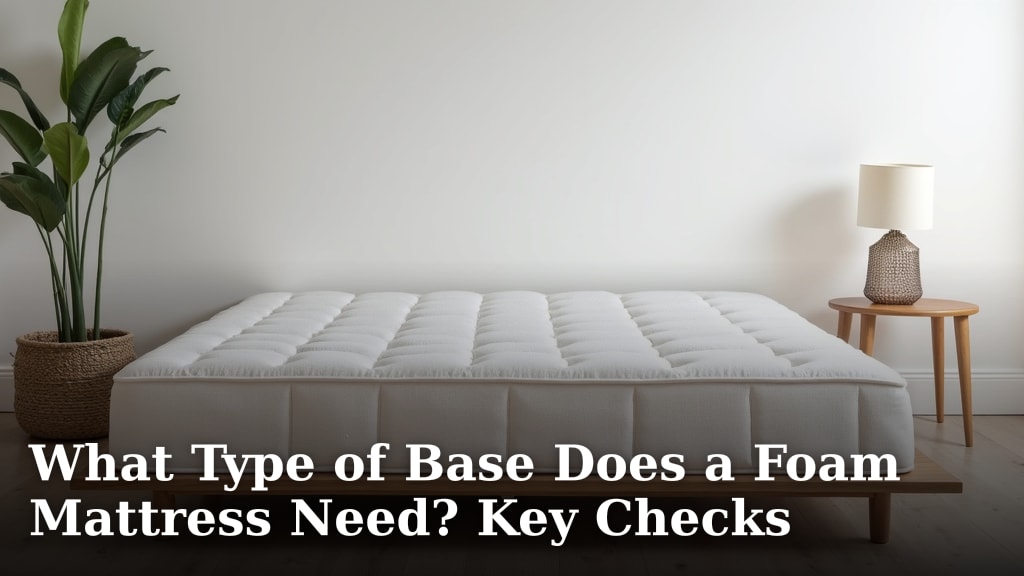
What Type of Base Does a Foam Mattress Need? Key Checks
You might be wondering if your new foam mattress needs a special kind of base. The good news is, most foam mattresses work well on a variety of surfaces, but they do need proper support to prevent sagging and ensure good airflow. A slatted base with widely spaced slats is often the best choice for foam mattresses, as it allows air to circulate freely, keeping your mattress cool and preventing moisture buildup.
Choosing the right base is more important than you might think for the longevity and performance of your foam mattress. Without adequate support, the foam can start to break down prematurely, leading to dips and discomfort. We found that bases with a solid, uniform surface can trap moisture, which is a big no-no for foam. Ensuring good ventilation is key to keeping your mattress fresh.
- Foam mattresses need good airflow.
- Slatted bases with closely spaced slats are ideal.
- Avoid solid platforms that trap moisture.
- Proper support prevents sagging and extends mattress life.
Let’s dive into the key checks you’ll want to make when picking the perfect base for your foam mattress.
Choosing the Right Support for Your Foam Mattress
So, you’ve got a new foam mattress, and you’re wondering what kind of base it needs. It’s a great question to ask! Getting this right is key to making sure your mattress feels great and lasts a long time. Think of the base as the mattress’s foundation – it needs to be sturdy and supportive.
We’ve looked into it, and most foam mattresses perform best with a slatted base. The key is the spacing of those slats. Too wide, and your foam might sink through. Too narrow, and you might not get enough airflow. We found that a good rule of thumb is slats spaced no more than 2.75 inches apart.
Why Proper Support Matters for Foam
Foam mattresses, whether they’re memory foam, latex, or a hybrid, are designed to conform to your body. This requires a base that can support these unique properties. Without the right support, the foam can start to sag or compress unevenly. This leads to discomfort and can damage the mattress material over time.
Many manufacturers will void your warranty if the mattress isn’t placed on a proper foundation. This is because using an inadequate base can cause premature wear and tear. We found that a strong, stable base is non-negotiable for maintaining your mattress’s integrity and comfort. It’s about protecting your investment and ensuring you get the best sleep possible.
The Importance of Airflow
Foam materials, especially memory foam, can sometimes trap heat. A good base helps combat this by allowing air to circulate underneath the mattress. This is super important for keeping you cool and preventing moisture buildup. Moisture can lead to mold or mildew, which nobody wants!
We’ve seen that bases with plenty of ventilation are often recommended. This includes slatted frames and certain types of platform beds designed for airflow. A base that restricts airflow can essentially suffocate your mattress, reducing its lifespan and potentially affecting its performance. Think of it like giving your mattress room to breathe.
Types of Bases That Work Well with Foam Mattresses
Let’s break down the most common and effective bases for your foam mattress. We want to make sure you’re getting the support and breathability your mattress needs.
Slatted Bed Frames
This is often the go-to choice for foam mattresses. Slatted frames provide a good balance of support and airflow. The individual slats distribute your weight evenly across the frame. This prevents concentrated pressure points on the mattress.
Slatted Base Spacing: The Golden Rule
As we mentioned, the spacing of the slats is critical. For most foam mattresses, slats should be no more than 2.75 inches apart. Some manufacturers might recommend even closer spacing, perhaps 1 to 2 inches. Always check your mattress manufacturer’s specific guidelines!
We found that frames with solid wood slats tend to be more durable than those with flexible slats. However, flexible slats can sometimes offer a bit more give and comfort. It’s a trade-off to consider based on your preference and the mattress type.
Solid Platforms vs. Slatted Bases
A solid platform bed offers a uniform surface. While this might sound like great support, it can be a problem for foam mattresses. The lack of gaps means there’s very little airflow underneath. We found that this can lead to heat buildup and moisture retention, which can damage the foam over time.
If you have a solid platform, check if it has built-in ventilation holes. Some modern platform beds are designed with this in mind. If yours doesn’t, you might need to consider adding a breathable layer between the platform and your mattress, or opt for a slatted frame instead. Your mattress will thank you for the breathability!
Adjustable Bases
Adjustable bases are becoming increasingly popular, and many are perfectly compatible with foam mattresses. These bases allow you to adjust the head and foot of the bed to different positions. They offer personalized comfort for reading, watching TV, or sleeping.
When choosing an adjustable base for your foam mattress, ensure it’s compatible with foam. Many memory foam and latex mattresses work well. However, some older or denser foams might not flex properly with an adjustable base. We found that looking for a base specifically designed for foam mattresses is the safest bet. Check the weight capacity and the flexibility of the mechanism.
Box Springs (Generally Not Recommended)
Traditional box springs are designed for innerspring mattresses. They have a metal frame with springs inside. We found that the spring system in a box spring doesn’t offer the consistent, firm support that foam mattresses need. The foam can sink into the gaps between the springs.
This lack of uniform support can cause your foam mattress to wear out faster. It might also lead to sagging in certain areas. While some manufacturers might say a *solid* box spring is okay, generally, it’s best to avoid them for foam. A slatted base or a platform bed is a much better option for longevity and comfort.
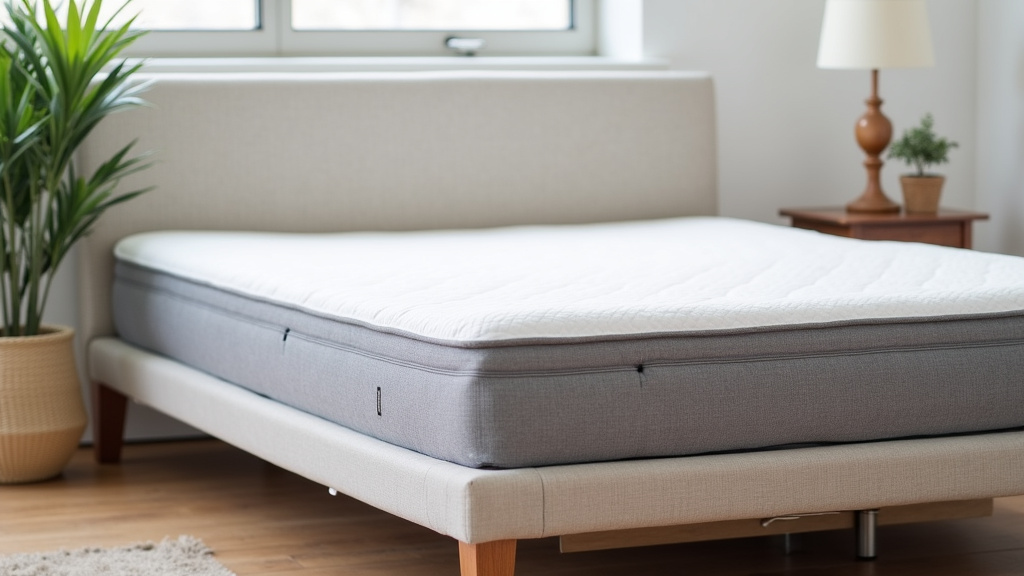
Key Checks Before You Buy a Base
Ready to pick out the perfect base? Here are a few things to keep in mind. These checks will help ensure you make the right choice for your foam mattress.
| Base Type | Foam Mattress Compatibility | Pros | Cons |
|---|---|---|---|
| Slatted Frame | Excellent (Check slat spacing) | Good airflow, even support | Can be noisy if slats aren’t secured |
| Platform Bed (Ventilated) | Very Good (Ensure ventilation) | Sturdy, clean look, good support | Can trap heat if not ventilated |
| Adjustable Base | Good (Check mattress compatibility) | Customizable comfort, good for specific needs | Can be expensive, ensure foam flexibility |
| Box Spring | Poor (Generally avoid) | None specific for foam | Uneven support, foam can sag, voids warranty |
Check Your Mattress Warranty
This is perhaps the most important step! Before you purchase any new base, check your foam mattress warranty. It will often specify the exact type of base and support system required. Failing to meet these requirements could mean your warranty is voided.
We’ve seen situations where customers had to replace their mattress prematurely because they didn’t use the recommended base. It’s a costly mistake! So, grab that warranty document or check the manufacturer’s website for details. They’ll tell you exactly what kind of support your mattress needs to perform at its best.
Consider the Mattress Height
The height of your base affects the overall height of your mattress. Some foam mattresses are quite thick on their own. A very tall base can make your bed uncomfortably high, making it harder to get in and out of bed. Conversely, a very low base might make it difficult to get up.
Think about how you like your bed positioned. Do you prefer it higher or lower? This can influence your choice of base. Many slatted frames come in different heights, and platform beds can vary as well. We found that a medium height is often comfortable for most people.
Material and Durability
The material of the base is also worth considering. Metal frames are often very durable and can provide excellent support. Wooden frames can also be very sturdy, especially those made from hardwoods like oak or maple. We’ve found that poorly constructed wooden frames, however, can warp or break over time.
If you choose a slatted base, look for sturdy, well-attached slats. For platform beds, ensure the frame is robust. A well-built base will prevent squeaks and wobbles, contributing to a more peaceful sleep environment. Durability means your investment in a good base will last as long as your mattress.
Final Checklist: Is Your New Base Foam-Ready?
Before you commit to a new base, run through this quick checklist. It’ll help you feel confident in your choice.
- Check Warranty: Does the base meet your mattress manufacturer’s requirements?
- Slats: Are they spaced no more than 2.75 inches apart?
- Airflow: Does the base allow for good ventilation underneath?
- Support: Is the base sturdy and free from sagging?
- Adjustability: If adjustable, is it confirmed compatible with your foam mattress?
- Height: Does the base height suit your comfort preferences?
Conclusion
You’ve learned that the right base is essential for your foam mattress’s comfort and lifespan. We found that a slatted frame with slats spaced no more than 2.75 inches apart is generally your best bet. It offers the crucial combination of support and airflow foam needs. Always remember to check your mattress warranty for specific requirements before making a purchase. Taking these steps ensures your foam mattress stays supportive and fresh for years to come. Now, go choose a base that lets your mattress truly shine!
Frequently Asked Questions
Can I put a foam mattress directly on the floor?
We generally advise against placing a foam mattress directly on the floor. This setup severely restricts airflow, leading to moisture buildup and potential mold growth. It also doesn’t provide adequate, even support, which can cause premature sagging and damage to your mattress.
What if my platform bed has solid wood?
If you have a solid platform bed without ventilation, it’s not ideal for a foam mattress. We found that this lack of airflow can trap heat and moisture. You might consider adding a breathable mattress protector or a thin slatted topper designed to go over solid platforms to improve ventilation.
Will my old box spring work for a new foam mattress?
It’s best to avoid using a traditional box spring with a foam mattress. Box springs are designed for innerspring mattresses and lack the consistent support foam needs. Your foam mattress could sink into the gaps, leading to uneven wear and potentially voiding your warranty.
Are metal bed frames suitable for foam mattresses?
Yes, many metal bed frames work well! Look for metal frames that have a system of sturdy slats or a solid, supportive base. Ensure there’s enough space between any support beams or slats to allow for good airflow underneath your mattress. Metal frames are often very durable.
How often should I check the support of my bed base?
We recommend inspecting your bed base periodically, perhaps every six months. Check for any signs of sagging, loose parts, or broken slats. Ensuring your base remains sturdy and supportive will help protect your foam mattress and maintain its performance over time.