What Are the Disadvantages of Memory Foam Mattresses?
Memory foam mattresses are popular for comfort, but they do have some drawbacks. You might be wondering about the downsides of memory foam. While many love their cradling feel, potential issues include trapped heat and a distinct initial odor. Understanding these is key to making the right choice for your sleep.
We found that some people find memory foam mattresses too firm or too soft for their liking. They can also be quite heavy, making them a challenge to move. If you’re considering one, it’s wise to be aware of these common complaints. Many users report needing a good period to get used to the feel.
- Memory foam can trap body heat.
- A chemical smell is common when new.
- They are often very heavy and hard to move.
- Some people find them too soft or too firm.
Ready to dive deeper? We’ll walk you through the common disadvantages of memory foam mattresses, so you can decide if it’s the right fit for your bedroom.
Exploring the Downsides of Memory Foam Mattresses
Memory foam offers a unique sleep experience, but it’s not for everyone. While many people love the way it contours to their body, there are several common disadvantages you should consider before buying. Understanding these potential issues can help you avoid buyer’s remorse and ensure you choose the best mattress for your needs. Let’s look at what you might not like about memory foam.
Heat Retention: The Biggest Complaint
Perhaps the most frequently cited drawback of memory foam is its tendency to trap heat. Traditional memory foam has a dense structure. This density means it doesn’t allow for much airflow. As your body heat warms the mattress, the foam can feel uncomfortably warm, especially during hotter months or if you tend to sleep hot.
Why Does It Get So Warm?
The material itself absorbs heat. Unlike innerspring mattresses, which have space for air to circulate through the coils, memory foam is solid. This lack of ventilation means heat your body generates can become concentrated in the mattress. Imagine a thick blanket; it keeps you warm because it holds your body heat close. Memory foam can act similarly.
Solutions for Sleeping Cooler
Fortunately, manufacturers have developed solutions. Many newer memory foam mattresses incorporate cooling technologies. These can include gel infusions, open-cell structures, or breathable covers made from materials like cotton or bamboo. Gel-infused foams are designed to absorb heat. Open-cell structures allow for better airflow within the foam itself. A mattress with a cooling cover can also make a big difference. When shopping, look for mattresses specifically marketed as having cooling features.
The “Off-Gassing” Smell: A Temporary Nuisance
When you first unbox a new memory foam mattress, you might notice a distinct chemical odor. This smell is known as “off-gassing.” It comes from Volatile Organic Compounds (VOCs) released into the air as the foam settles. Most memory foam mattresses are made with various chemicals and adhesives during manufacturing. When these materials are compressed and packaged, these compounds can get trapped.
What Exactly is Off-Gassing?
The smell is a natural byproduct of the manufacturing process. It’s not harmful in the long run, according to many environmental and health organizations. However, the smell can be quite strong and unpleasant for some people. It’s comparable to the smell of a new car or freshly painted room. The intensity of the odor varies greatly depending on the brand and the quality of the materials used.
How to Minimize the Odor
The good news is that this smell is usually temporary. Most off-gassing odors dissipate within a few days to a couple of weeks. To speed up the process, ensure good ventilation in your bedroom. Open windows and use fans to circulate air. Letting the mattress air out for 24-48 hours before putting on bedding can also help. Some brands use CertiPUR-US certified foam, which means it’s made without certain harmful chemicals and has been tested for low VOC emissions. This certification often means less initial odor.
The Sink-In Feeling and Motion Transfer
Memory foam is famous for its contouring ability. This means it molds to your body shape. While many find this incredibly comfortable, some people don’t like the feeling of sinking into the mattress. It can feel like you’re being hugged or even stuck, making it harder to change positions during the night.
Feeling Stuck or Trapped
If you’re a restless sleeper or prefer a mattress that feels more responsive, the slow response time of some memory foams might be a disadvantage. It takes a moment for the foam to adjust when you move. This can lead to a sensation of being stuck. We found that people who prefer a bouncy or floating sensation on their mattress often don’t enjoy this characteristic.
Motion Transfer: A Double-Edged Sword
Memory foam is excellent at absorbing motion. This is often touted as a major benefit, especially for couples, as it minimizes disturbances when one partner moves. However, in some very dense or older types of memory foam, this absorption can be too effective. It can create a feeling where movements are dampened but still felt, rather than completely isolated. Think of it like a thick mud puddle versus a springy trampoline.
Weight and Difficulty Moving
Memory foam mattresses are notoriously heavy. The dense foam used in their construction contributes significantly to their overall weight. This can be a major problem when it’s time to move the mattress, whether for cleaning, changing sheets, or relocating your home.
The Struggle of a Heavy Mattress
Moving a memory foam mattress by yourself can be nearly impossible. They often require two people, or even specialized equipment, to lift and maneuver. This lack of portability is a practical disadvantage that many owners discover after purchase. If you anticipate needing to move frequently or if you have physical limitations, the weight can be a serious concern.
Ease of Setup for Bed-in-a-Box
While getting them into place can be difficult, many memory foam mattresses are now sold as “bed-in-a-box” products. They arrive compressed and rolled in a large box. This makes initial transport to your door easier. However, once unboxed, the mattress will expand to its full size and weight, presenting the same moving challenges as any other memory foam mattress. You’ll still need help getting it onto the bed frame.
Durability Concerns and Sagging Over Time
While memory foam is known for its durability, it’s not immune to wear and tear. Over time, especially with heavy use or if the mattress isn’t properly supported, it can begin to develop body impressions or sagging. This is more common in lower-density or less expensive memory foam mattresses.
Understanding Body Impressions
A body impression is a slight indentation where your body naturally rests on the mattress. Most foam mattresses will develop some minimal impression. This is often considered normal and indicates the foam is conforming to you. However, if these impressions become deep and noticeable, it can affect comfort and spinal alignment. We found that many users report the foam starting to sag after a few years of use.
The Importance of a Good Foundation
To combat sagging and prolong the life of your memory foam mattress, proper support is crucial. Manufacturers often recommend a solid or slatted base with closely spaced slats. A foundation or box spring designed for foam mattresses can help distribute weight evenly and prevent premature sagging. Always check the manufacturer’s warranty for specific support requirements. Failing to provide adequate support can void your warranty (Better Sleep Council).
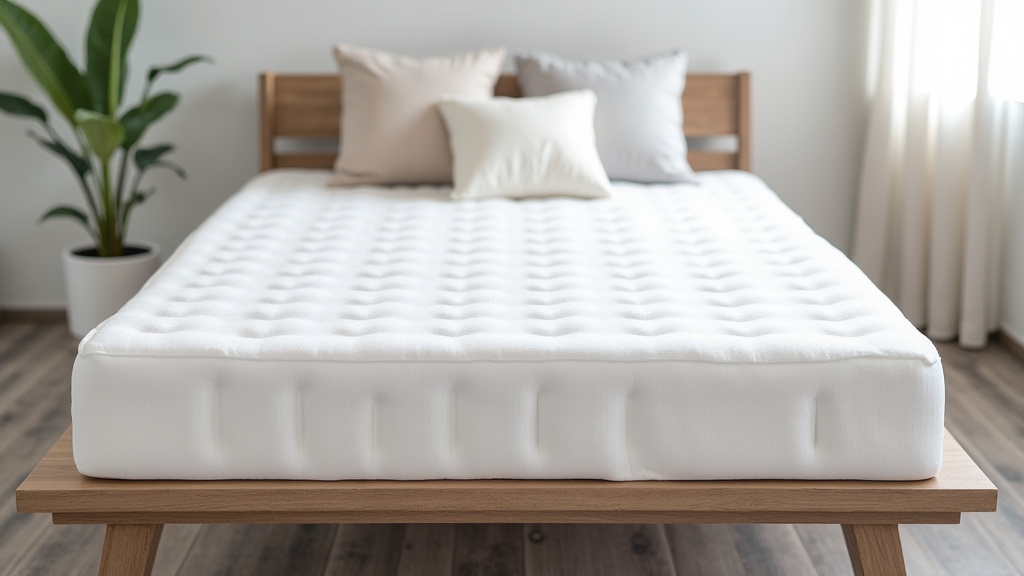
Potential for Feeling Too Firm or Too Soft
The firmness of a memory foam mattress is subjective. What feels perfectly supportive to one person might feel too hard or too soft to another. This is because memory foam responds to body weight and temperature. Its firmness can also change slightly with room temperature.
The Subjectivity of Firmness
Some people find memory foam too firm, especially at first. They might feel pressure points on their hips and shoulders because the foam hasn’t yet softened enough to cradle them. Others might find it too soft. This can happen if the foam is very low density or if the sleeper is heavier, causing them to sink too deeply into the mattress. Finding the Finding the right firmness level is crucial for comfort and support.right firmness level is a common challenge.
The Break-In Period is Key
Many memory foam mattresses require a break-in period. This can last from a few days to a few weeks. During this time, the mattress will adapt to your body and soften slightly. If a mattress feels too firm initially, give it some time. Conversely, if it feels too soft, it might not be the right density or type for you. Researching firmness ratings and reading reviews can help, but personal experience is often the best guide.
Edge Support Can Be Lacking
One area where memory foam often falls short is edge support. Traditional memory foam mattresses can have a soft edge. This means sitting on the edge of the bed can cause you to sink down significantly. This can make it feel like you’re about to roll off.
Why Edge Support Matters
Good edge support is important for several reasons. It provides a stable surface to sit on when getting dressed or ready for bed. It also increases the usable sleeping surface of the mattress. If you tend to sleep near the edge, poor edge support can lead to a feeling of insecurity and reduce the overall comfort of the mattress.
Advancements in Edge Support
Many modern memory foam mattresses have addressed this issue. Some incorporate reinforced edge support systems or firmer foam layers around the perimeter. Hybrid mattresses, which combine memory foam with an innerspring system, often offer better edge support due to the stronger coil structure around the edges. If edge support is a priority, look for mattresses specifically designed to enhance perimeter stability.
Cost Can Be a Factor
High-quality memory foam mattresses can be a significant investment. While prices have come down over the years, premium models with advanced cooling features or superior materials can still be quite expensive. You might find that a comparable mattress made with different materials comes at a lower price point.
Quality Varies with Price
Generally, the more advanced the technology and the higher the density of the foam, the higher the price. Cheaper memory foam mattresses might use lower-density foams that break down faster or offer less support. It’s important to balance your budget with the quality and features you need. We found that investing a bit more often leads to better durability and comfort in the long run.
Finding Value in Your Purchase
When considering the cost, remember to factor in durability and comfort. A more expensive memory foam mattress might last longer and provide better sleep, making it a worthwhile investment. Always compare brands, look for sales, and read reviews to ensure you’re getting the best value for your money. Many companies offer sleep trials, allowing you to test the mattress at home and return it if it’s not a good fit, reducing the risk associated with the price.
Getting Used to the Feel Takes Time
Finally, it’s worth mentioning that memory foam has a unique feel that can take some adjustment. Unlike traditional mattresses, it doesn’t have the immediate bounce or firmness that many people are used to. The way it contours to your body can feel strange at first.
The Adjustment Period
Some people adapt immediately and find it incredibly comfortable. Others find the “sinking” sensation or the slow response time a bit jarring. It’s not uncommon to need a week or two to fully adjust to how the mattress supports and conforms to your body. Patience is key during this initial period. If you’re used to a very firm or bouncy mattress, the transition to memory foam can feel like a big change.
Is It Right for You?
Your personal preferences play a huge role. If you’ve never slept on memory foam before, it’s a good idea to try one out if possible, or take advantage of generous sleep trials. What one person considers a disadvantage, another might find to be the very reason they love their mattress. Consider these points carefully as you weigh your options.
Conclusion
While memory foam offers a unique comfort that many adore, it’s wise to understand its potential downsides. You’ve learned about heat retention, the initial off-gassing smell, and the heavy nature of these mattresses. We also covered how the “sink-in” feeling and edge support can be hit or miss. Consider these points carefully to make an informed decision.
Your best next step is to weigh these disadvantages against your personal sleep needs and preferences. Look for mattresses with cooling features if heat is a concern, or consider hybrid options if you prefer more bounce and better edge support. Taking advantage of sleep trials can help you discover if memory foam is truly the right fit for your sleep sanctuary.
Frequently Asked Questions
Will a memory foam mattress always feel too hot?
Not necessarily. While traditional memory foam can trap heat, newer models often incorporate cooling gels, open-cell structures, or breathable covers. These advancements significantly improve airflow and heat dissipation, making them much cooler to sleep on.
How long does the chemical smell from a new memory foam mattress last?
The “off-gassing” smell is usually temporary. It typically fades within a few days to a couple of weeks. Ensuring good ventilation in your bedroom by opening windows can help speed up this process.
Is it hard to move a memory foam mattress?
Yes, memory foam mattresses are generally quite heavy due to their dense material. Moving one often requires two people, and they can be challenging to maneuver, especially during a move or for cleaning.
Can a memory foam mattress feel too soft or too firm for me?
Firmness is subjective and can be a challenge with memory foam. Some sleepers find it too firm initially, while others might sink in too much and find it too soft. Many memory foam mattresses have a break-in period, so give it a few weeks to adjust.
What should I look for if I’m worried about sagging over time?
To combat sagging, look for mattresses with higher density foam and check the manufacturer’s warranty for specific support requirements. Using a solid or closely slatted foundation is essential to provide even weight distribution and prolong your mattress’s life.