How to Test a Mattress: What to Check in Store
Testing a mattress in-store is all about recreating your sleep experience. You should lie down for at least 10 minutes, trying different positions to feel its support and comfort. This hands-on test helps you avoid buyer’s remorse and find the right mattress for your needs.
Many people rush this process, which is a big mistake. Experts agree that a proper in-store test involves more than just a quick sit. You need to check for adequate motion isolation and how well the mattress handles your body weight to ensure a restful night’s sleep.
- Lie down for at least 10 minutes.
- Try your usual sleeping positions.
- Check for edge support.
- Test motion isolation.
- Assess pressure relief.
Ready to find your perfect sleep surface? Let’s walk through exactly what to check in the store to make sure your new mattress is a dream come true.
Putting Mattresses to the Test: Your In-Store Checklist
You’re ready to buy a new mattress. But how do you know if it’s the right one? Walking into a mattress store can feel overwhelming. So many options, so little time! Don’t worry, we’ve got your back. You need a plan to test these beds effectively. This guide helps you make the most of your time in the store. You’ll learn exactly what to look for to find the perfect match for your sleep.
The All-Important Lie-Down: How Long is Enough?
We all know you should lie down on a mattress. But how long is truly enough? Sitting on the edge or a quick lie-down won’t cut it. Experts recommend spending at least 10 minutes on each mattress you’re seriously considering. This might sound like a lot of time. But think about how much time you spend sleeping each night. It’s a wise investment in your future rest. This extended test allows your body to relax. You can really feel how the mattress supports you.
Why 10 Minutes is the Magic Number
Your body needs time to settle in. When you first lie down, you’re still tense from walking around. After a few minutes, your muscles begin to relax. Pressure points that might feel okay at first can start to become uncomfortable. You’ll notice areas of your body that feel strained or unsupported. This is especially true for your hips and shoulders. Those 10 minutes give you a realistic sense of long-term comfort. It’s your chance to feel the mattress truly cradle you.
Mimic Your Sleep Habits
Don’t just lie flat on your back. You need to test the mattress in the positions you actually sleep in. If you’re a side sleeper, spend time on your side. Pay attention to how your hips and shoulders feel. Does the mattress sink in enough to relieve pressure? Are you feeling any sharp points? If you’re a stomach sleeper, try that position too. Be mindful of your spine’s alignment. You don’t want your lower back to arch unnaturally. Back sleepers should focus on spinal alignment. Does your lower back have good support? Or does it feel like there’s a gap?
Beyond the Basic Lie-Down: Essential Checks
Once you’ve spent time in your usual positions, it’s time for more specific tests. These help you understand different aspects of the mattress’s performance. Think of them as little experiments to reveal hidden truths about the bed.
The Edge Support Test: Can You Sit on the Side?
This is a big one for many people. Do you like to sit on the edge of your bed to tie your shoes? Or maybe you sleep near the edge. You need good edge support. Sit on the very edge of the mattress. Does it feel like you’re going to slide off? Does the edge sink down significantly? A mattress with weak edge support can feel smaller. It also makes getting in and out of bed more difficult. You want to feel stable and secure, even when you’re right at the edge. Many experts recommend testing this by sitting for a minute or two.
Motion Isolation: Can You Sleep Through a Roll-Over?
This is crucial if you share your bed. You want a mattress that absorbs movement. If your partner tosses and turns, you shouldn’t feel every little shift. To test this, have your partner lie on the mattress. You lie down on the other side. Ask your partner to gently roll over or sit up. Can you feel the movement? If you feel a lot of disturbance, the mattress doesn’t have good motion isolation. Many modern mattresses, especially memory foam ones, excel at this. They’re designed to limit motion transfer.
Research has shown that good motion isolation leads to less sleep disruption. This means you’re less likely to wake up when your partner moves. For couples, this is a major factor in sleep quality. You can even do a simple glass test. Place a full glass of water on one side of the bed. Have your partner move on the other side. If the water ripples heavily or spills, motion isolation is poor.
Pressure Relief: Where Does the Weight Go?
When you lie down, your body weight presses into the mattress. A good mattress distributes this pressure evenly. It should cushion your body without making you feel stuck. You want to feel supported, not like you’re sinking into quicksand. Side sleepers, in particular, need good pressure relief. Their shoulders and hips bear a lot of weight. If the mattress is too firm, you’ll feel discomfort in these areas. If it’s too soft, your joints might not get enough support. Think about how your body feels after those 10 minutes. Are there any areas that feel numb or achy?
Different materials offer different kinds of pressure relief. Memory foam is known for its contouring ability. It molds to your body shape. Innerspring mattresses might feel bouncier but can sometimes create pressure points. Hybrids aim for a balance between contouring and support. We found that many people prioritize pressure relief. Studies by organizations like the National Sleep Foundation often highlight this as a key comfort factor.
Assessing Support: Is Your Spine Happy?
Support and comfort are different but equally important. Comfort is how the mattress feels on the surface. Support is how it keeps your body aligned. A mattress can feel soft and comfy at first but offer poor support. This can lead to back pain. Your spine should maintain its natural curve when you lie down.
The Spinal Alignment Check
This test is simple but effective. Have someone observe your spine from the side while you lie on the mattress. Or, try to feel it yourself. If you’re a back sleeper, there shouldn’t be a large gap between your lower back and the mattress. If you’re a side sleeper, your spine should appear relatively straight. It shouldn’t droop downwards. This alignment is key for preventing aches and pains. Many chiropractors and physical therapists stress the importance of proper spinal alignment during sleep (Cleveland Clinic).
Body Weight Considerations
How much you weigh influences how a mattress feels. A mattress that feels firm to a lighter person might feel softer to a heavier person. If you’re a heavier individual (generally considered over 230 lbs), you’ll need a mattress with robust support. Look for thicker mattresses with strong coil systems or high-density foams. They are designed to handle more weight without excessive sinking. Conversely, lighter individuals might find very firm mattresses uncomfortable. They may not get enough sinkage for pressure relief. Consider mattresses with softer comfort layers if you’re on the lighter side.
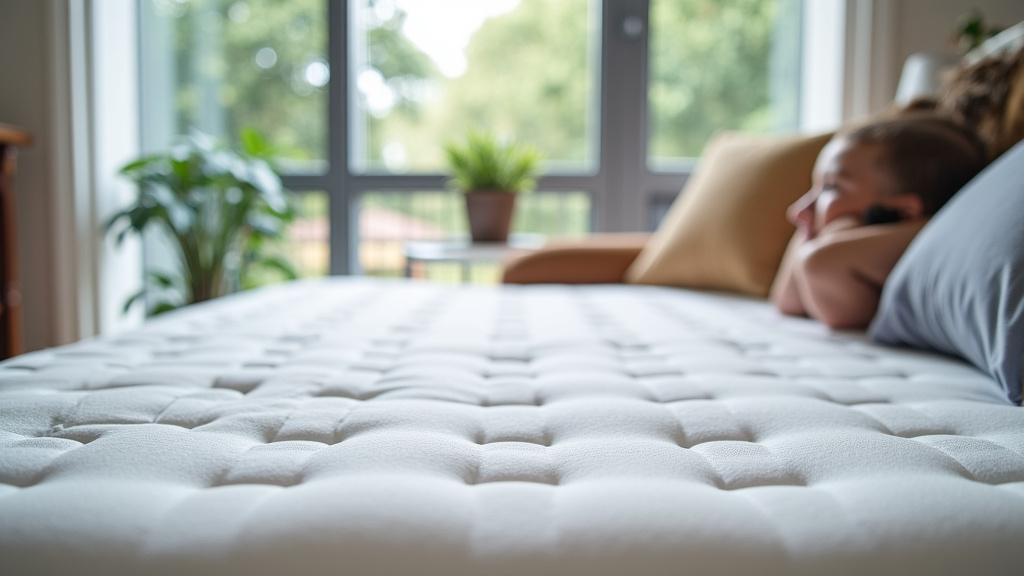
Feeling the Materials: What’s Inside Matters
While you can’t always see everything, you can often get a sense of the materials used. This knowledge helps you understand the feel and durability.
The Feel of Foam vs. Springs
Memory foam mattresses often have a slow, sinking feel. They contour closely to your body. This can be great for pressure relief. However, some people feel “stuck” in memory foam. They also might sleep hotter. Innerspring mattresses have a more traditional bouncy feel. They offer good airflow. But they might not isolate motion as well and can sometimes create pressure points. Hybrid mattresses combine coils with foam layers. They aim to offer the best of both worlds. They provide bounce and airflow from the coils. They offer contouring and pressure relief from the foam. Feel the difference. Which one feels most like your preferred sleeping surface?
Firmness Scale: Where Does it Fall?
Mattress firmness is often rated on a scale of 1 to 10. A 1 is very soft, and a 10 is very firm. Most people find comfort in the 4-7 range. A 6.5 is often considered the “medium-firm” sweet spot. Remember, your body weight impacts this scale. What feels like a medium to one person might be firm to another. Pay attention to how the mattress yields under your weight. Does it give you enough support, or does it feel like sleeping on a board?
Final Check: The Little Things
Before you commit, there are a few more quick checks.
Temperature Regulation: Will You Sleep Hot?
Some mattress materials trap heat. Memory foam, in particular, can sometimes make you feel warmer. If you tend to sleep hot, look for mattresses with cooling features. These can include gel-infused foams, breathable covers, or innerspring systems that allow for better airflow. Try to gauge this during your test. Does the mattress feel unusually warm after you’ve been lying on it for a few minutes?
Noise Factor: Creaks and Groans?
A good mattress should be quiet. If you hear creaking or squeaking when you move, it’s a sign of lower quality construction. This noise can be quite disruptive to sleep. While not as critical as support or pressure relief, it’s something to be aware of. Try different positions and movements to see if the mattress makes any sound.
Your In-Store Mattress Testing Checklist:
- Lie down for a full 10 minutes.
- Test your typical sleeping positions (side, back, stomach).
- Check for solid edge support by sitting on the side.
- Test motion isolation with a partner if possible.
- Assess pressure relief for hips, shoulders, and back.
- Ensure your spine feels aligned and supported.
Conclusion
You’ve now got the tools to test a mattress like a pro. Remember, the in-store test is your best defense against buyer’s remorse. Spending 10 minutes on each bed, trying your usual sleep positions, and checking for edge support, motion isolation, and pressure relief will guide you. Don’t forget to consider spinal alignment and how your body weight interacts with the mattress. Armed with this knowledge, you’re ready to find a mattress that truly supports your sleep and well-being. Your next step? Visit a store with confidence and put these tips into practice!
Frequently Asked Questions
How can I tell if a mattress is supportive enough for my back?
To check support, lie on your back and see if there’s a large gap under your lower back. Then, try sleeping on your side to ensure your spine stays straight, not dipping downwards. A well-supported mattress keeps your spine in a neutral alignment.
Is the glass of water test for motion isolation really effective?
Yes, the glass of water test is a simple but effective way to gauge motion isolation. If a full glass of water doesn’t ripple much when your partner moves, it indicates good absorption of movement, meaning you’re less likely to be disturbed.
What if I feel pressure points after lying down for a few minutes?
Feeling pressure points like sharp pain or numbness means the mattress isn’t offering adequate pressure relief. This is especially common for side sleepers’ hips and shoulders. You should look for a mattress that contours to your body without creating discomfort.
Do I need to test edge support differently if I don’t sit on the edge of my bed?
Even if you don’t sit on the edge, good edge support matters. It makes the usable sleep surface feel larger and can help prevent you from rolling off if you sleep near the side. Test it by gently pressing down or sitting briefly to feel its stability.
How important is mattress temperature regulation during an in-store test?
Temperature regulation is important for comfort, especially if you tend to sleep hot. While a short store test won’t fully replicate sleeping hot, notice if the mattress feels unusually warm or retains body heat quickly. Look for features like breathable covers or cooling foams if this is a concern.